

How I went to the Party at Fitzwilliam Museum, Cambrige, UK
Imagine the entire museum is clothing for the evening reception. All the guests are art historians. Yes, I was there.
In April 2026 I went to Cambridge to speak at the AAH Annual Conference, held at the University of Cambridge. On the evening of my talk, the Association for Art History and the Fitzwilliam Museum hosted a reception — which, in reality, was a generously scaled drinking party with wine. This is how I first visited this extraordinary historic museum.
Table of Contents
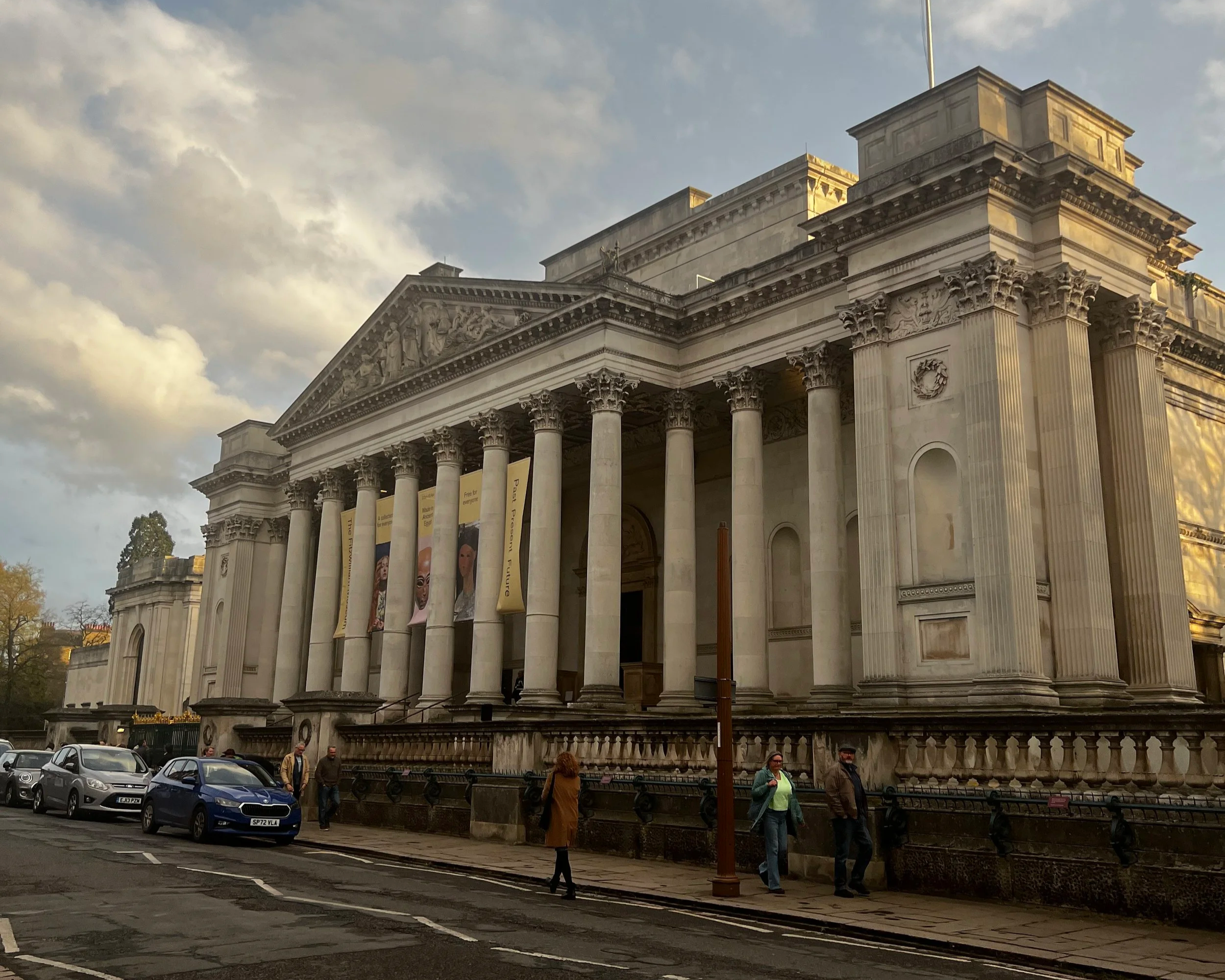
What is Witzwilliam museum?
Many of us, art historians, visited this museum for the first time and we didn’t know much about it. Many of us came to the UK from different parts of the world.
The Fitzwilliam Museum is one of the key public museums in Cambridge, and part of the wider academic ecosystem of the University of Cambridge. It was founded in 1816 from the collection of Richard FitzWilliam and developed as a university museum — meaning it was not designed only for display, but also for study, research, and teaching. Today, its collection includes over half a million artworks and objects from antiquity to contemporary art.
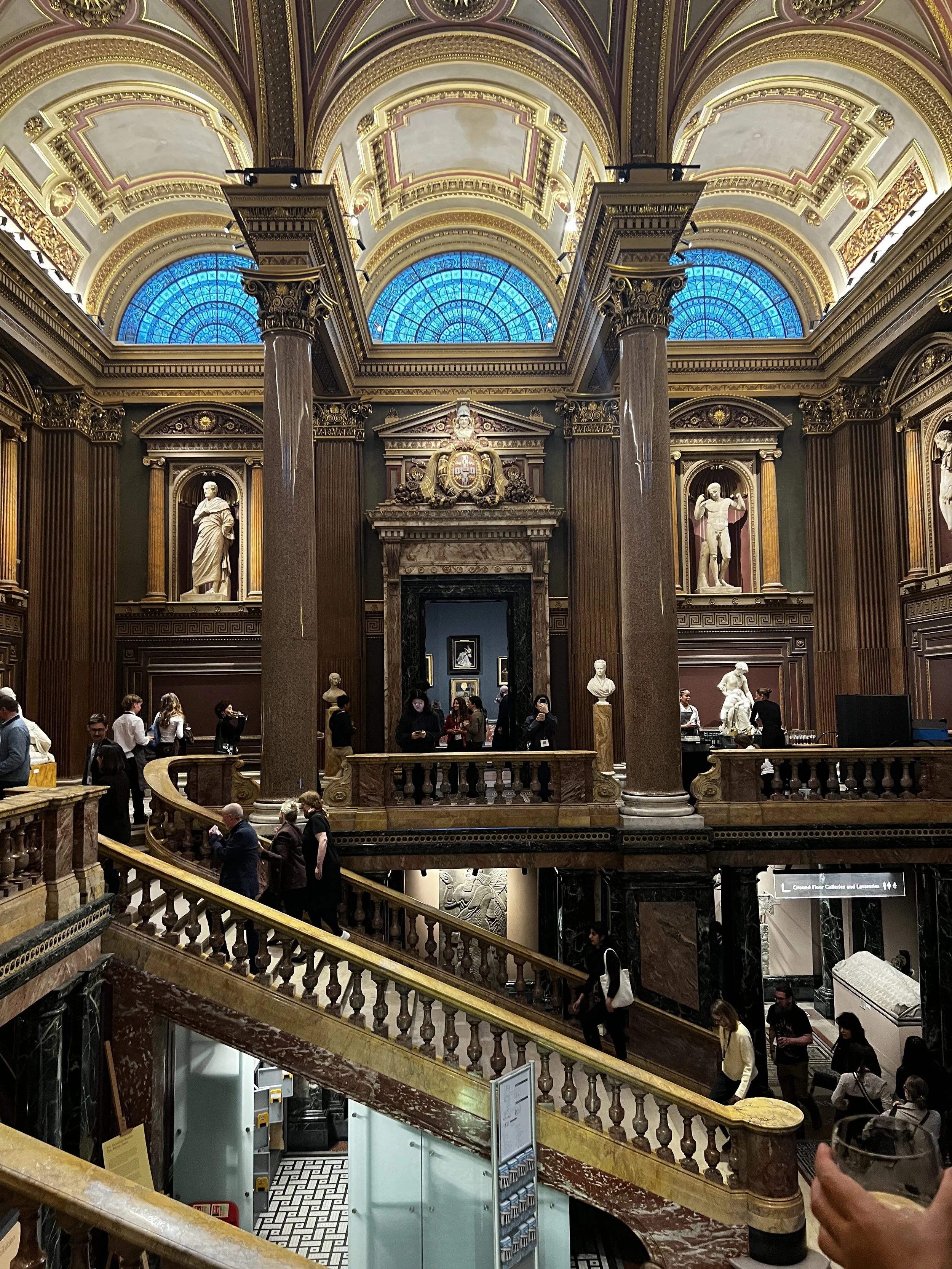
The Collection / how to read it
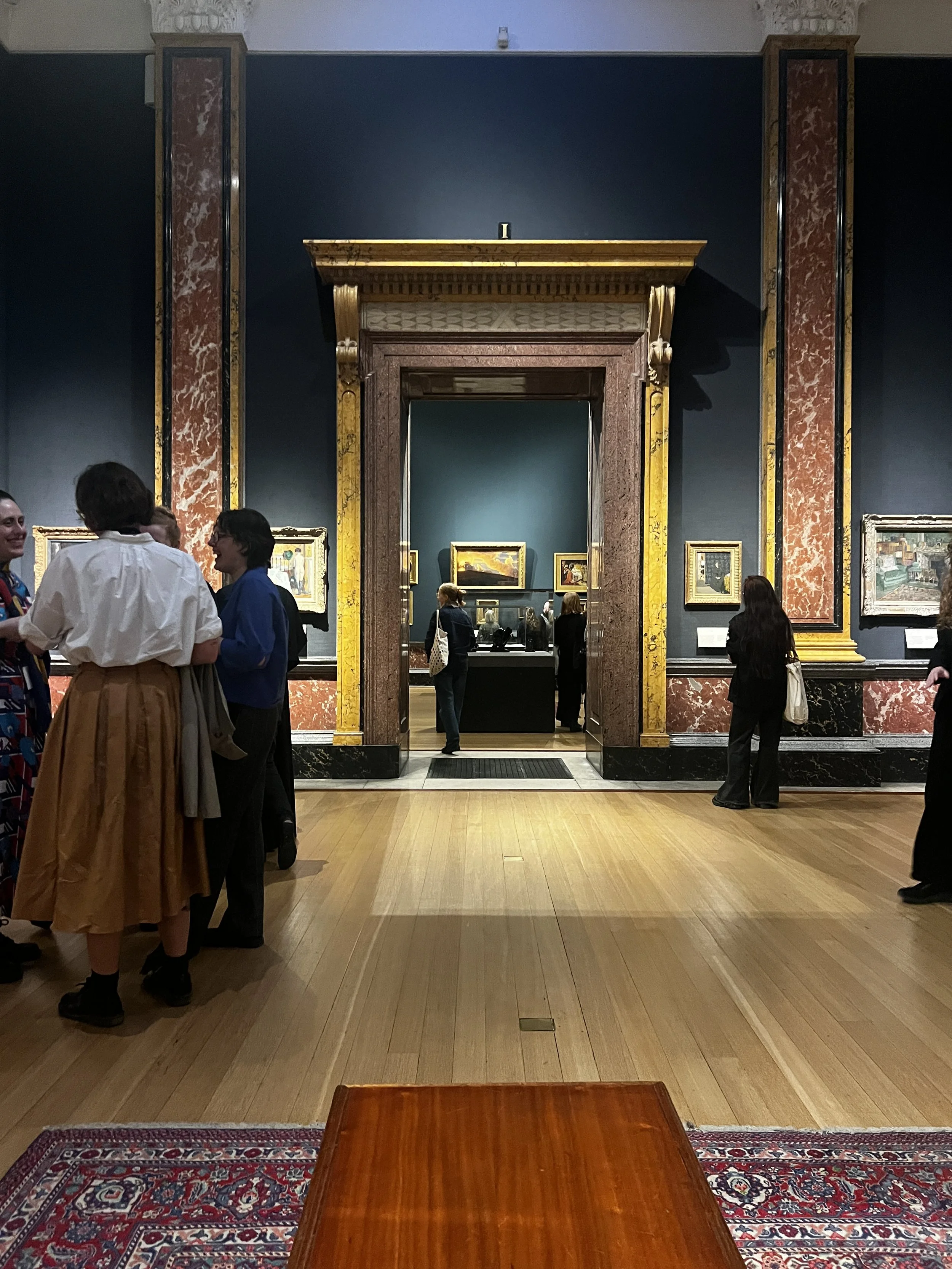
Us, art historians in the wild, were passing the art quickly and chaoticaly at first (there is a glass in the hand, after all), then slow down, then stop entirely in front of something, chatting in groups of fours and fives. The security guys were visibly worried for the safety of the art. Of course there was no need for worrying.
You, however, stay for more mindful experience.
Paintings move from early centuries to Titian and to J. M. W. Turner, from Edgar Degas to Pablo Picasso. The collection includes over half a million artworks and objects spanning from antiquity to the present day. The museum offers digital collection as well where you can take a look at what they hold before your visit.
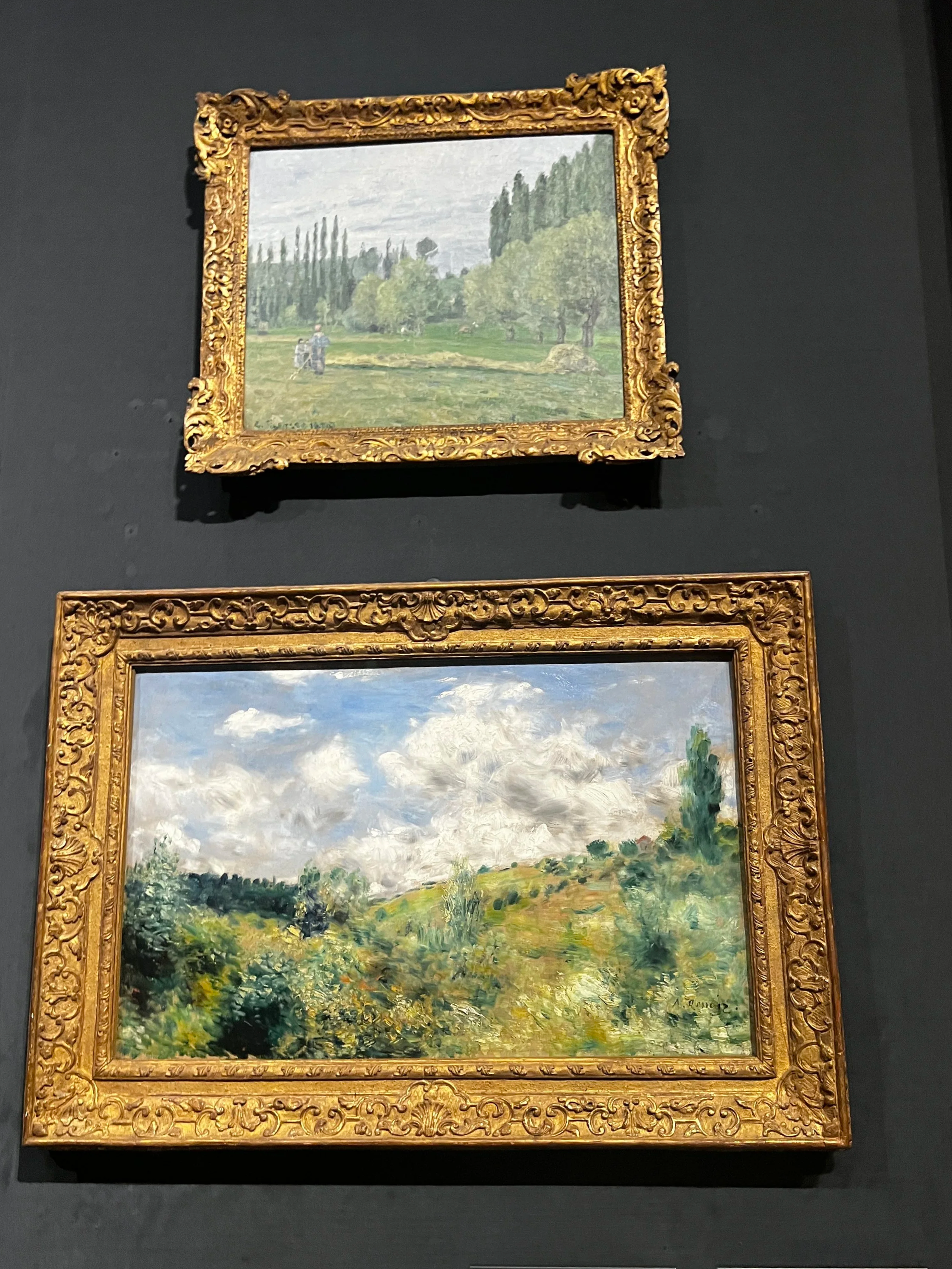
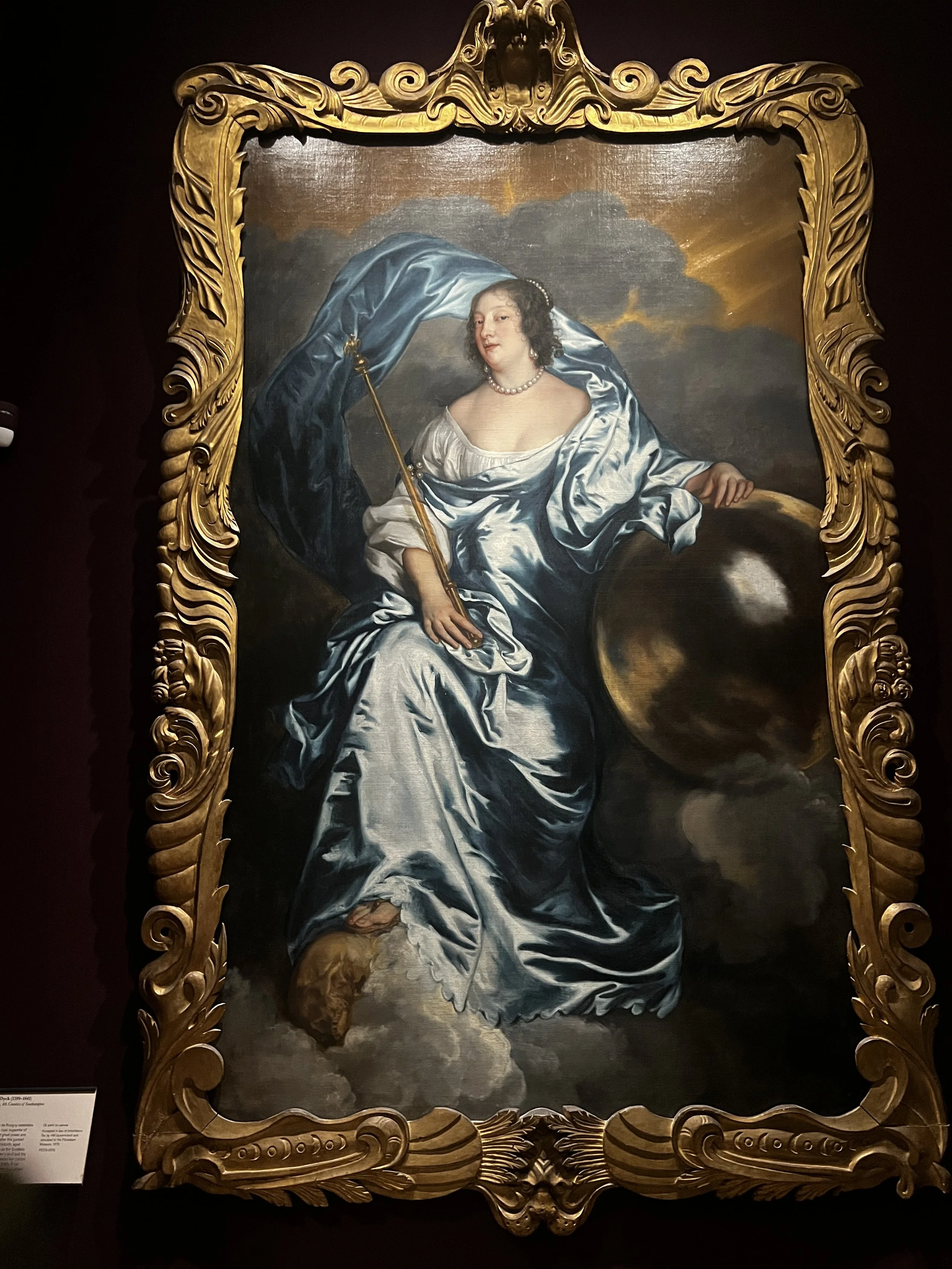
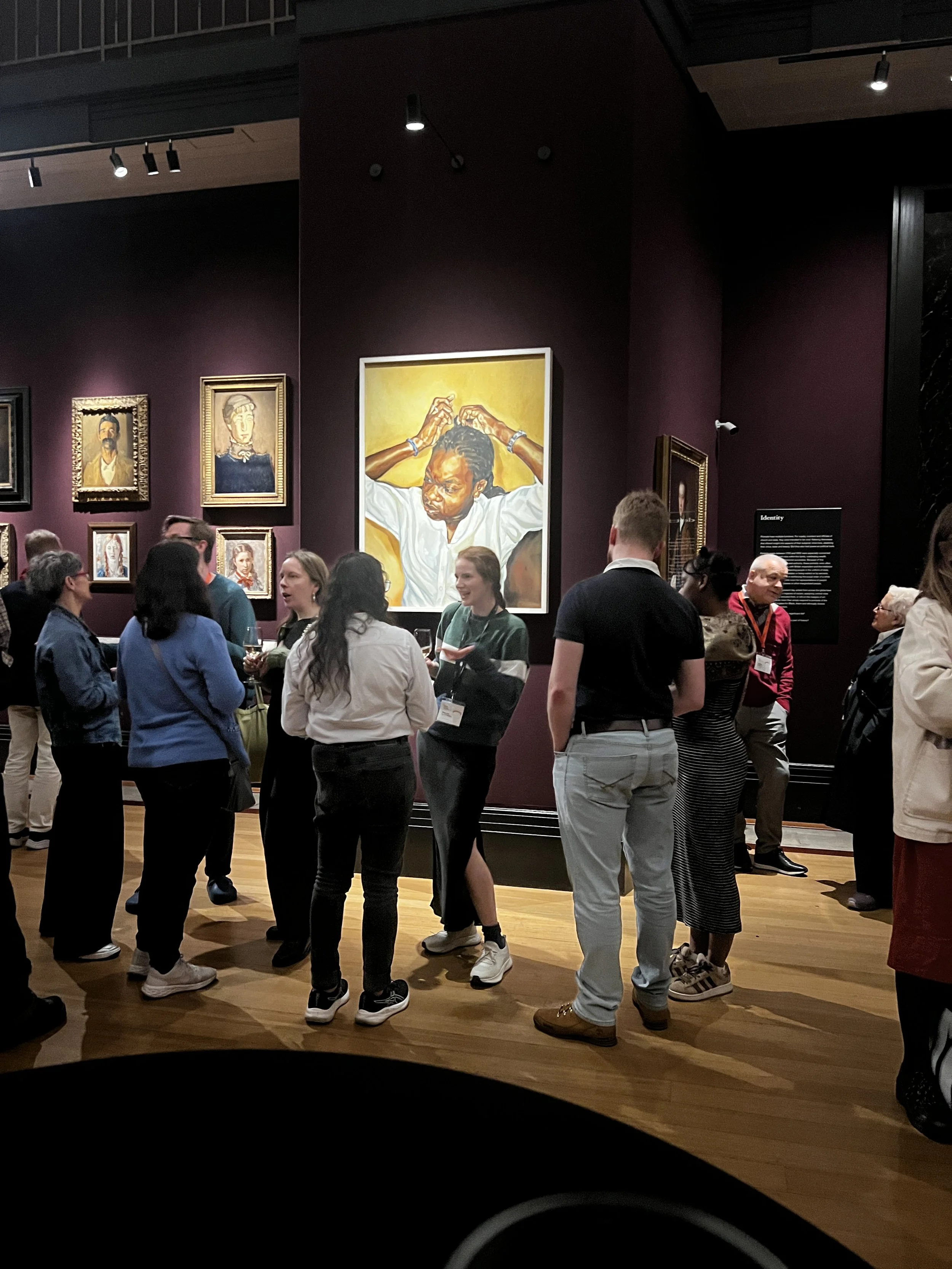
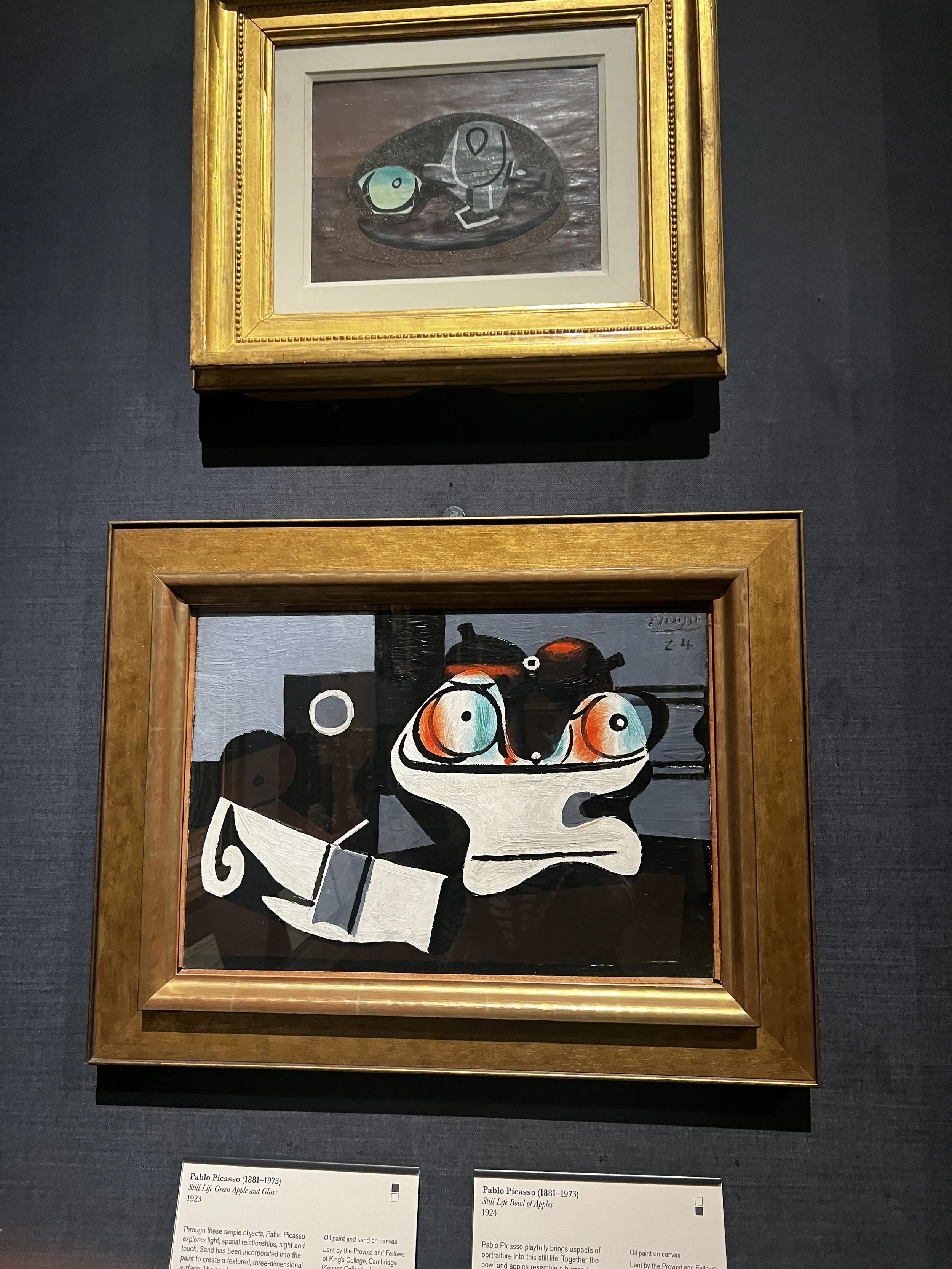
If you only have a couple of hours to view the museum, don’t try to see everything, don’t take is as a check list. Sather just enjoy slowly. Begin with paintings at the upper floor, where you will see strongest pieces from Titian to J. M. W. Turner. Then move to XIX–XX centuries. Here, you will see small, but presice choice of Edgar Degas, Pablo Picasso and others.
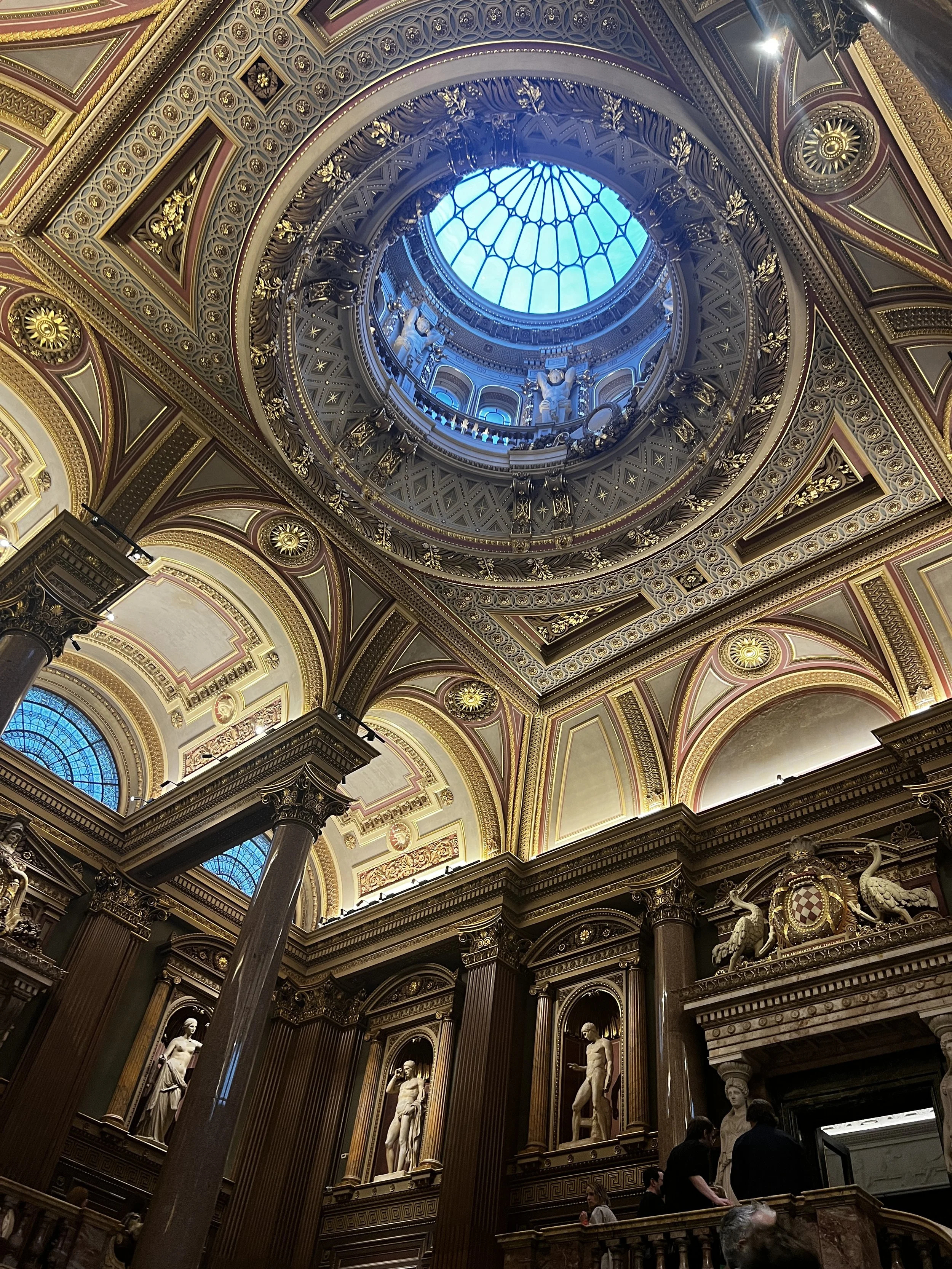
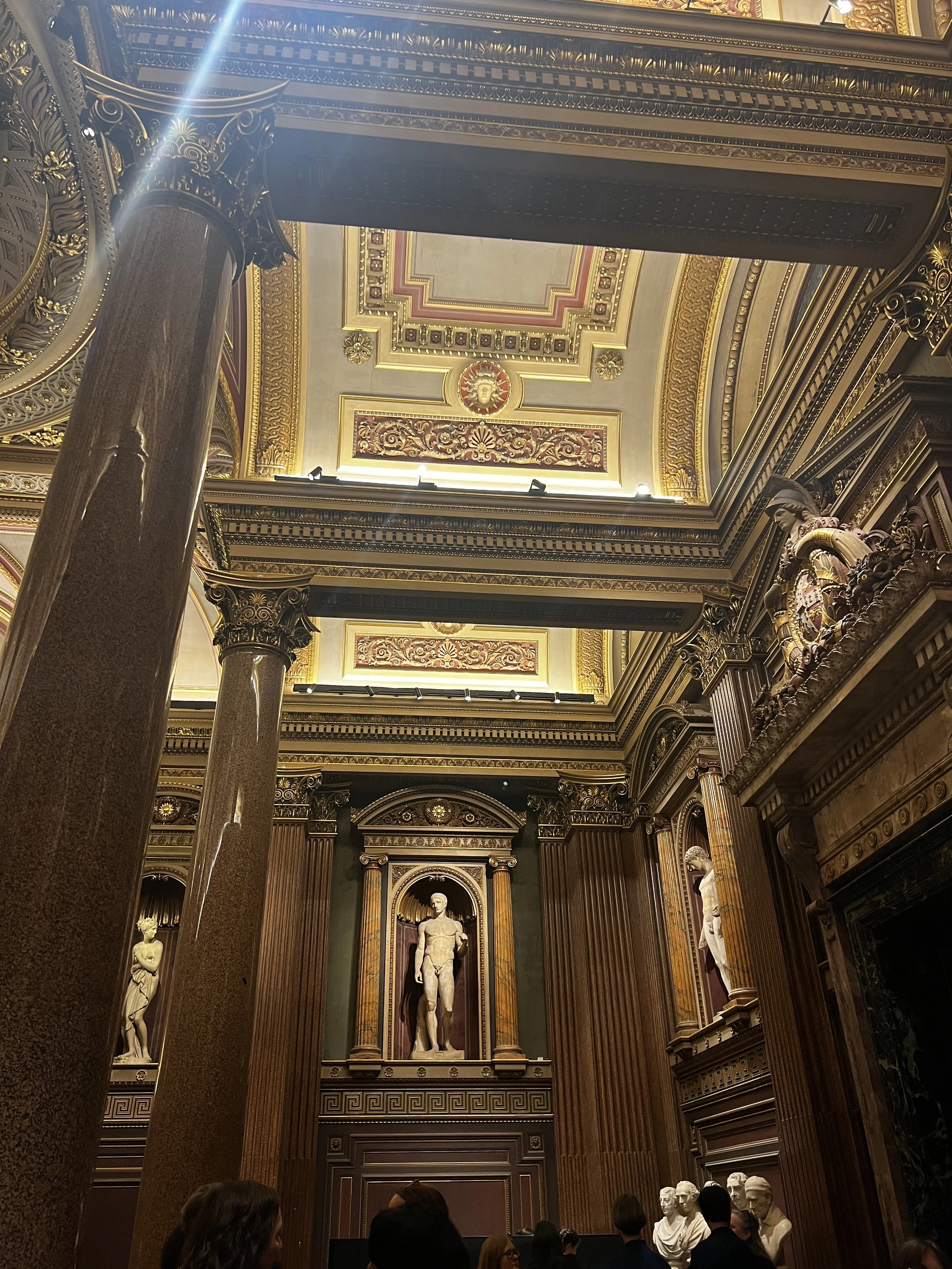
Don’t miss the galleries dedicated to graphic art: they require a little more attention. It’s best to approach the Antiquities and Egypt sections without the aim of seeing everything. And finally, pause in the main hall for at least a minute: the interior itsself is amazingly beautiful.
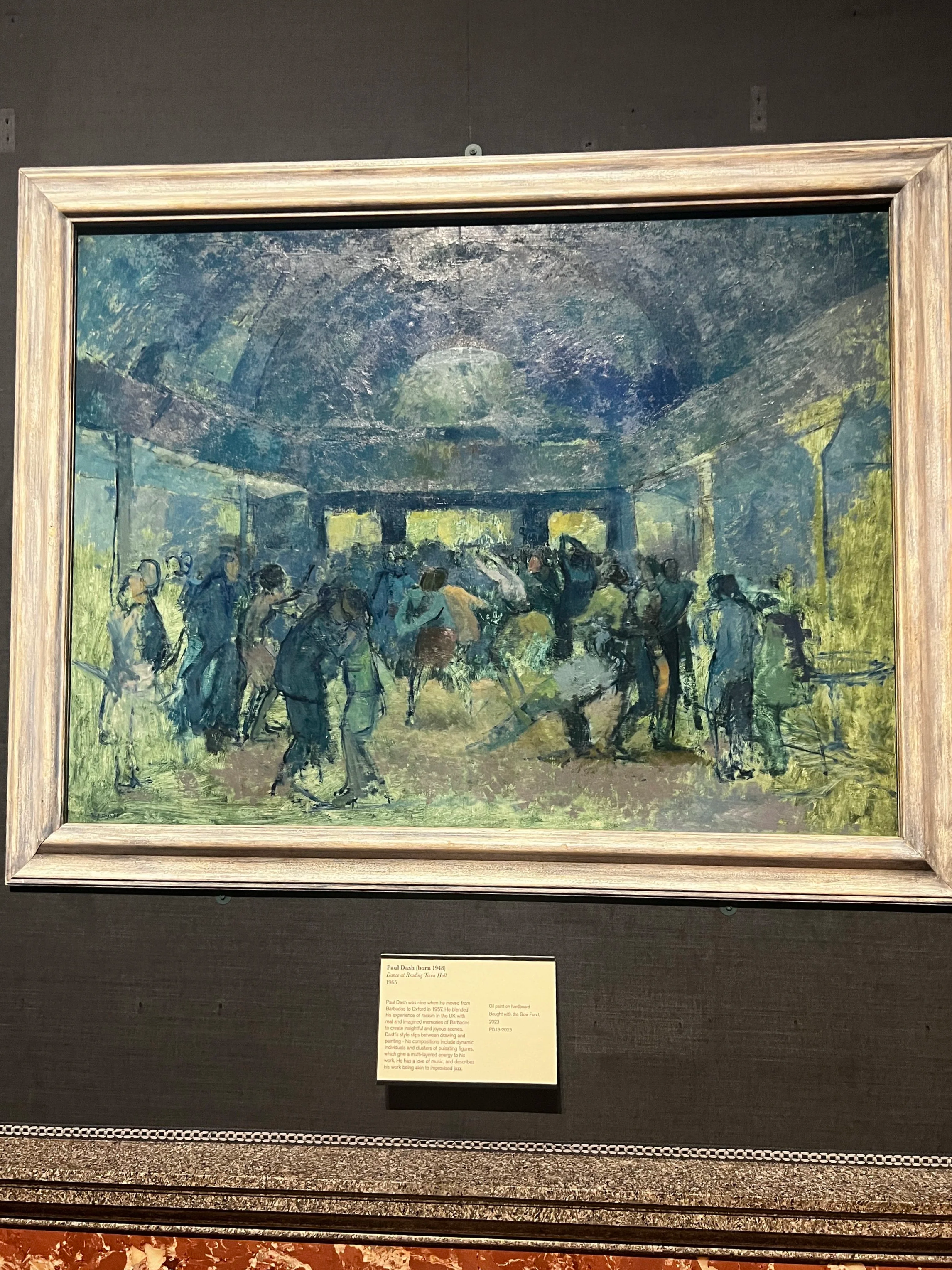
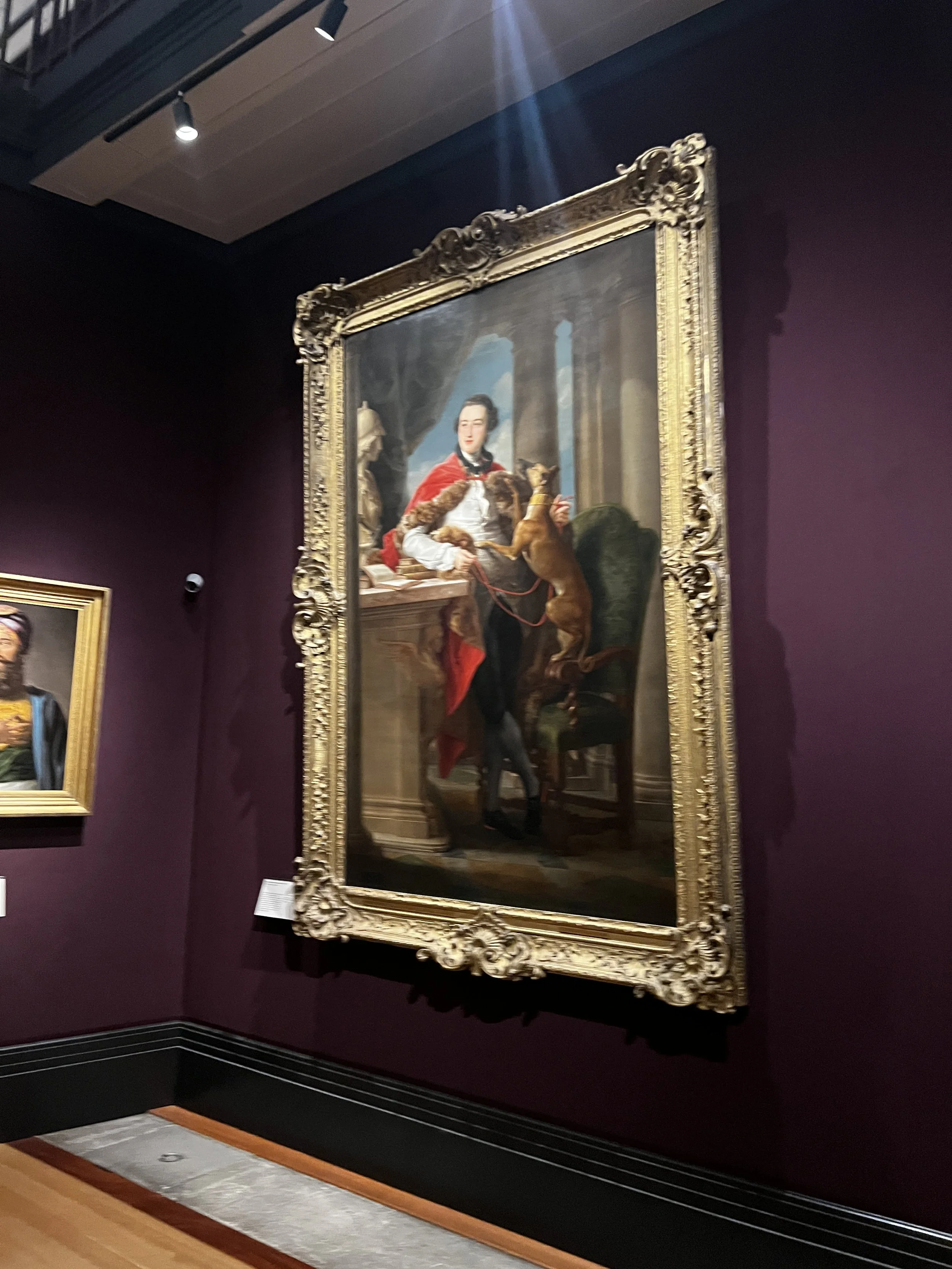
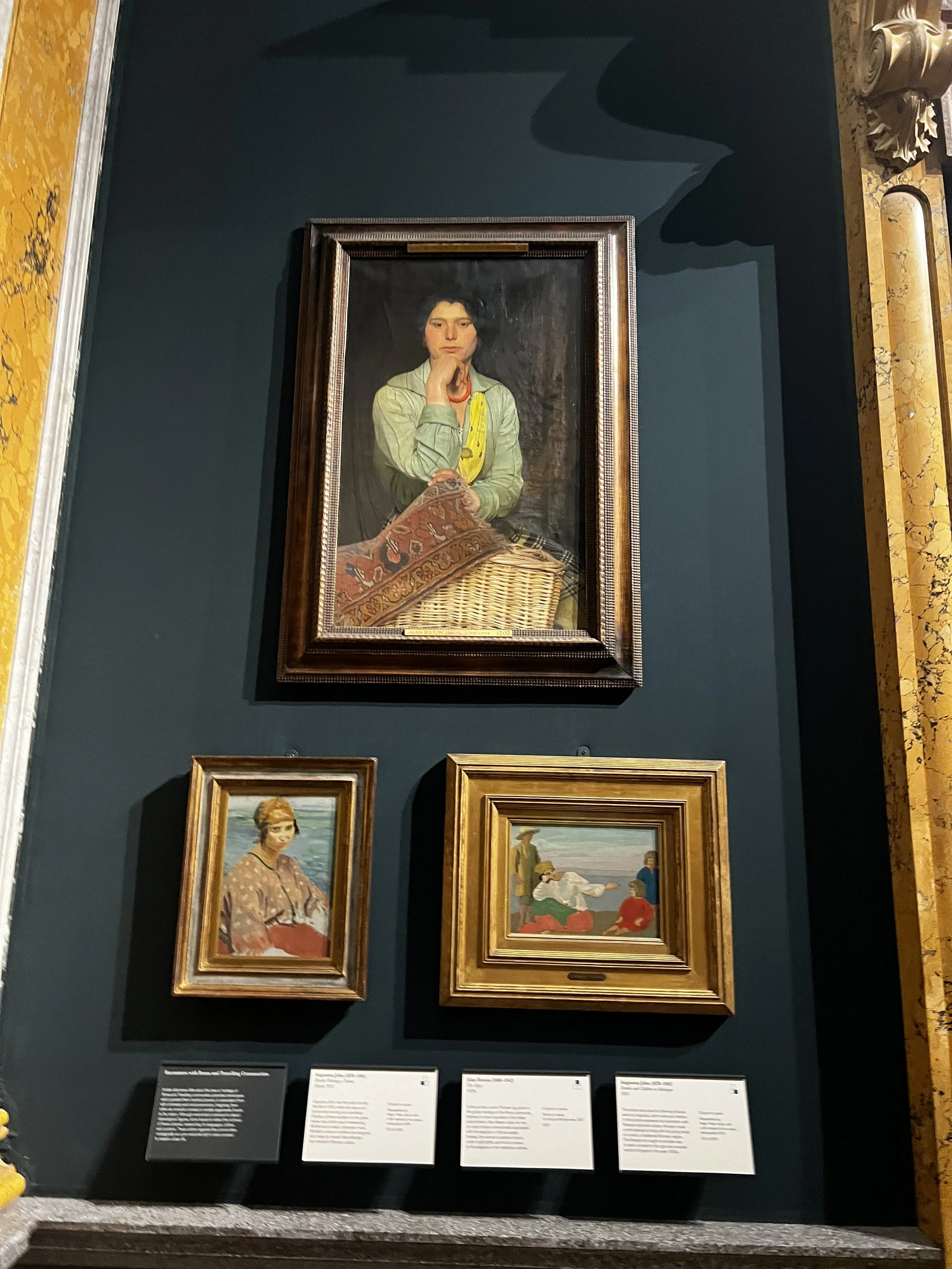
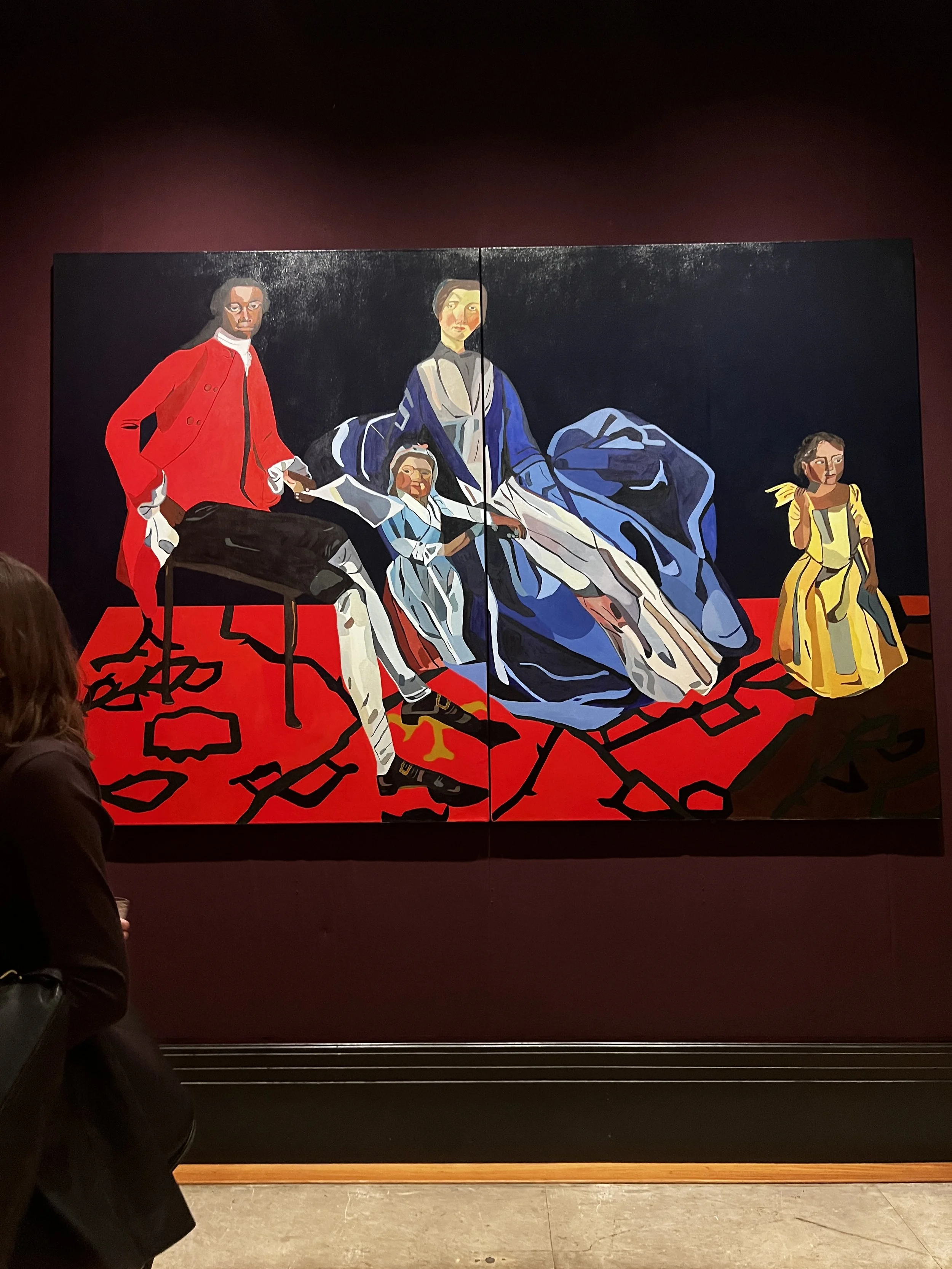
Perhaps that party was the right (the most fun) way to visit a university museum for me as an historian. But I will definitely return as a regular visitor next time.
