
1-day Dublin art itinerary: 3 cultural spots
Dublin is typically known for its literary giants, its pints of stout, and the elegance of its Georgian facades. However, for the visual arts traveler, Dublin is so, so much more than that.
Table of Contents
Let’s say you have just 1 day for an art-focused dive into Dublin. What do you have see? I have curated a 3-stop itinerary featuring Dublin’s two heavyweights alongside a true insider gem for those seeking non-mainstream, contemporary culture.
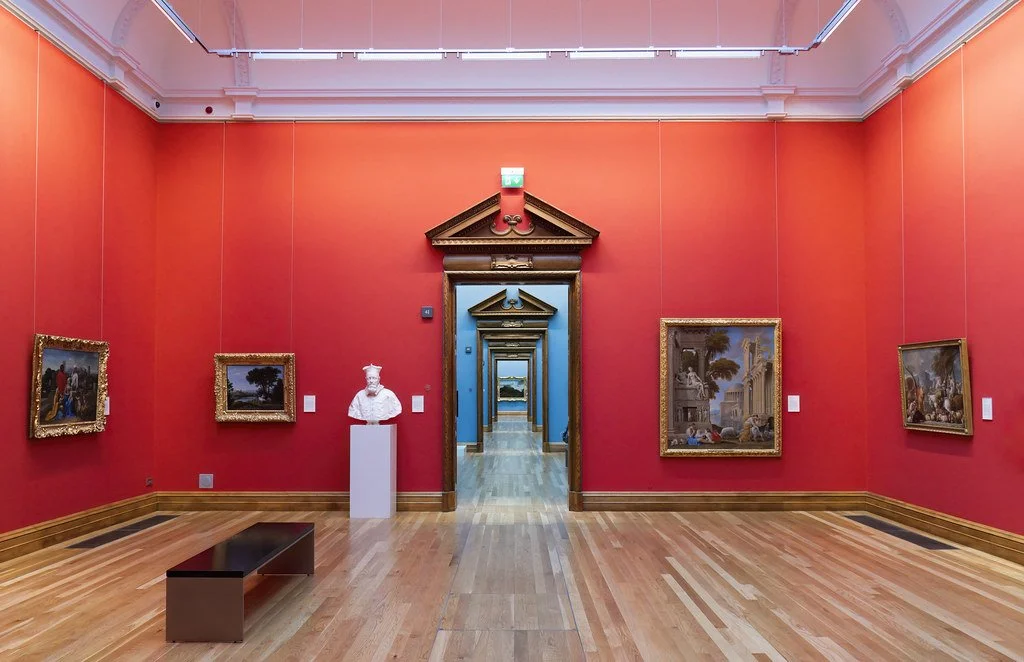
The Red Room inside the National Gallery of Ireland
The classical heavyweight: National Gallery of Ireland
We start with NGI’s European classics and their amazing collection of Irish art — so you dive straight into the heritage. You will spend here 1,5 hours. Start early. Free entrance, unless you want to visit special temporary exhibitions.
Begin your morning here, where the best classical collection of the country is housed. The National Gallery of Ireland is a stunning architectural hybrid. The historic 19th-century wings pairs with modern atrium resulting in a great museum.
What to track down inside.
Irish art
That’s why we go there. You will find the brilliance and uniqueness of Irish art of different periods.
I spent countless hours at the NGI while working on my book about the portrayal of Dublin in Irish art. So, this museum feels almost like a second home to me. Every period of Irish art is exquisite, but since I specialize in 19th- and early 20th-century Irish art, I recommend focusing your attention on that period in particular.
Check out Irish Impressionism: Walter Osborne, Sir William Orpen, Roderic O’Conor.
Because Ireland lacked a dedicated academic movement, its Impressionists typically trained in Paris or Antwerp, blending French techniques with distinctly Irish and European subjects
See Irish Naturalism: Aloysius O’Kelly, Nathaniel Hone the Younger, Walter Osbourne, Richard Moynan.
Irish artists if the second half of the 19th century were heavily influenced by French plein-air (outdoor) painting, particularly the technique of Jules Bastien-Lepage. Irish artists widely utilized Naturalism to document the unvarnished realities of daily life, narrative scenes of everyday, contemporary life, labour and poverty.
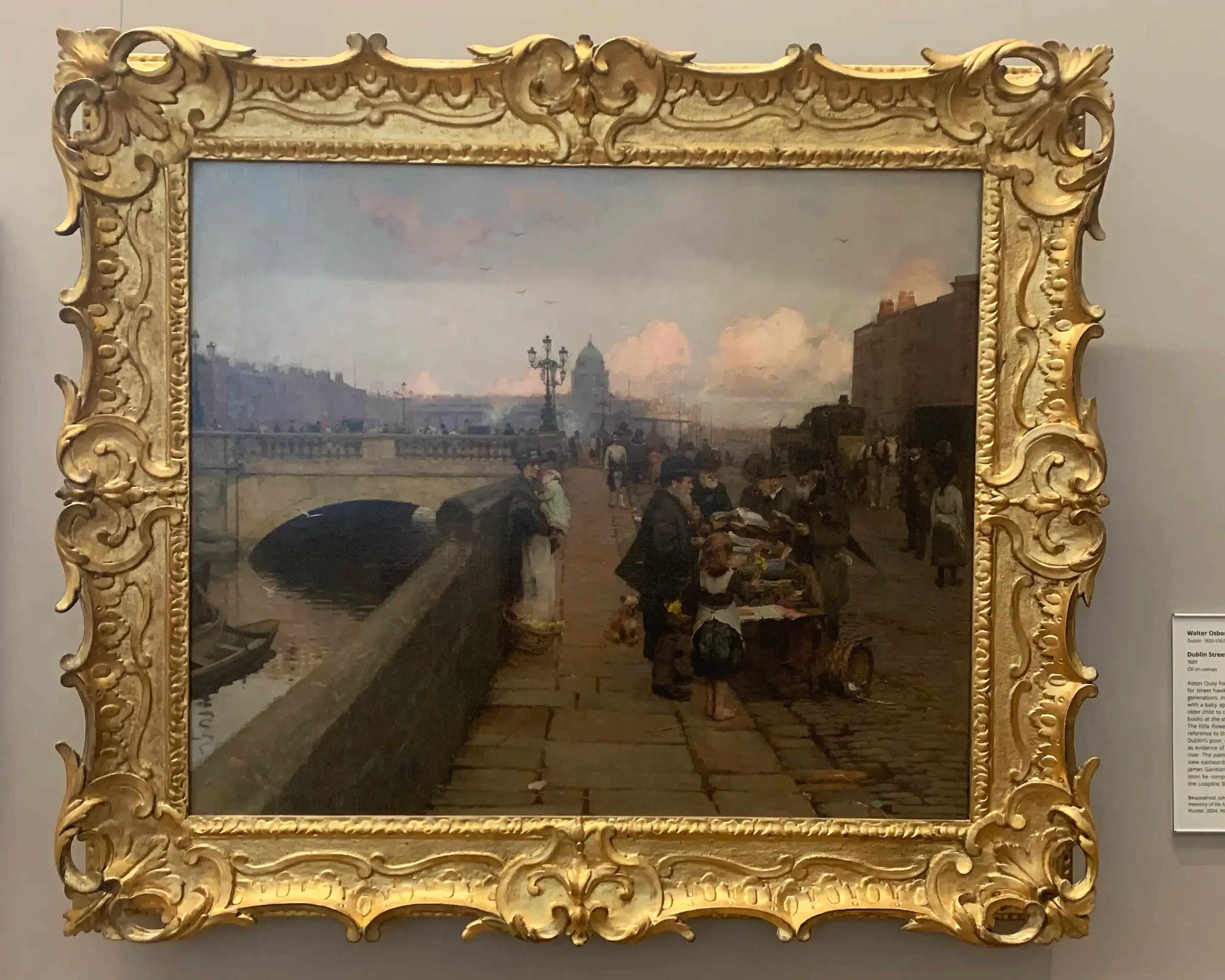
Dublin Streets a Vendor of Books, Walter Osborne, 1889, oil on canvas
The Jack B. Yeats room: an Olympic masterpiece
Jack B. Yeats (the brother of the famous poet W.B. Yeats) captured the raw, pulsing soul of Ireland like no one else.
Your absolute must-see here is “The Liffey Swim” (1923). This iconic Expressionist canvas holds a legendary place in history: it won the newly independent Irish Free State its first-ever Olympic medal (a silver in the historic Olympic Art Competitions at the 1924 Paris Games).
The Story: Painted just as the Irish Civil War was ending, it captures a rare moment of pure, collective joy as Dubliners line Bachelor’s Walk to watch the annual race.
Insider Tip: Look closely at the bottom left corner. The man in the brown fedora craning his neck to see the swimmers is a hidden self-portrait of Jack B. Yeats himself, standing alongside his wife, Cottie.
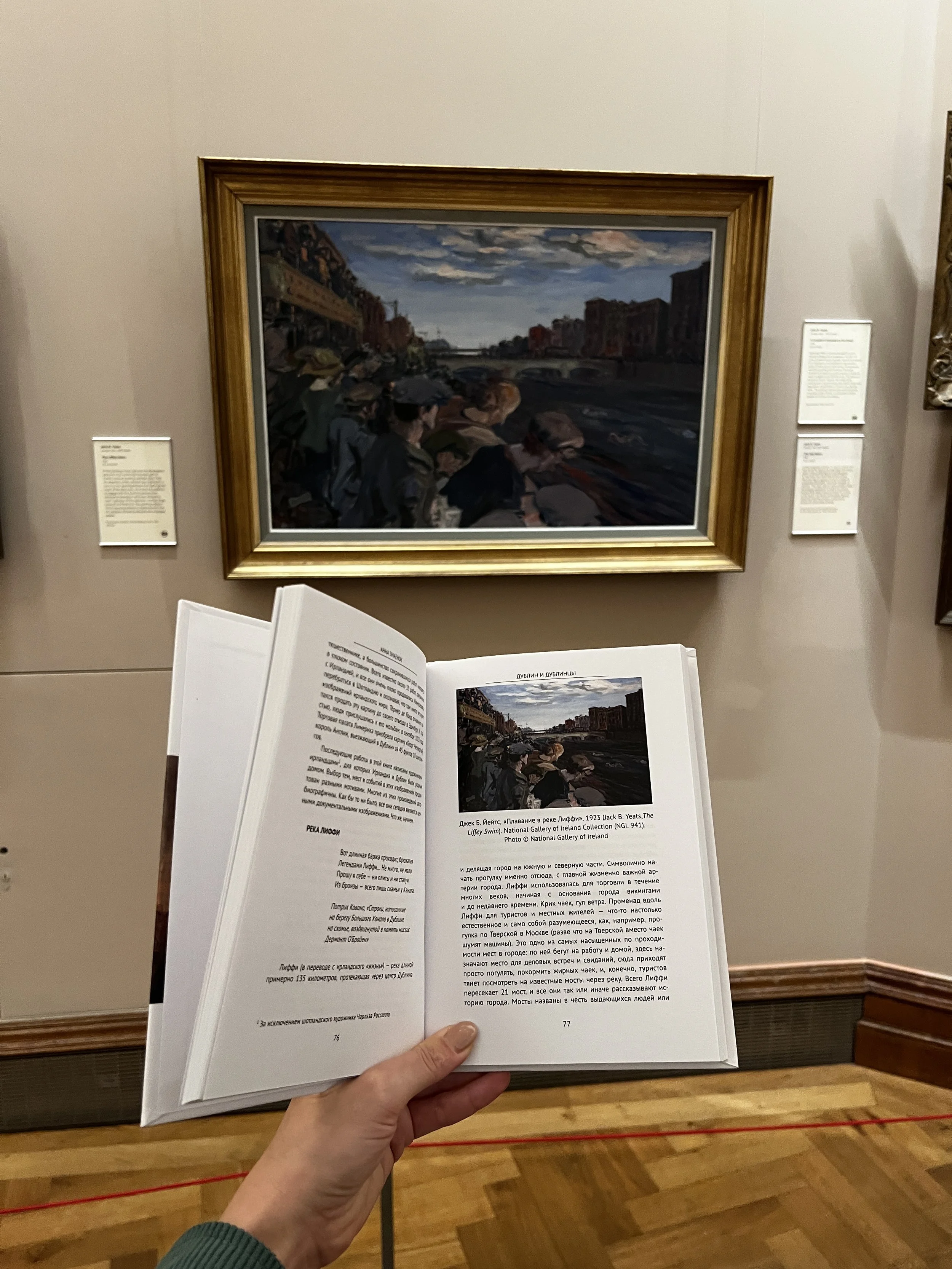
The Liffey Swim by Jack B. Yeats
European classics
In addition to Irish masterpieces, the NGI has carefully assembled a collection showcasing the geniuses of Europe, representing the continent’s leading art schools from the early Renaissance to the 20th century.
Take a look at these works:
Jan Vermeer, “Woman Writing a Letter, with her Maid” (c. 1670). This is a gem by the Delft master, recognized as one of the pinnacles of his mature work.
Rembrandt, “Landscape with the Flight into Egypt” (1647). The Rembrandt’s only night landscape. Great aquisition NGI should be proud of.
Caravaggio’s “The Kiss of Judas” (1602). For centuries it was believed to be lost, but in 1990 it was discovered by chance in the refectory of the Jesuits in Dublin, where it had been hanging disguised as a cheap copy.
NGI CaféIf you want to grab a coffee and a sandwich before your next artsy spot, there is a decent cafeteria at NGI. A bright, elegant atrium space perfect for a quick artisan sandwich before departing.
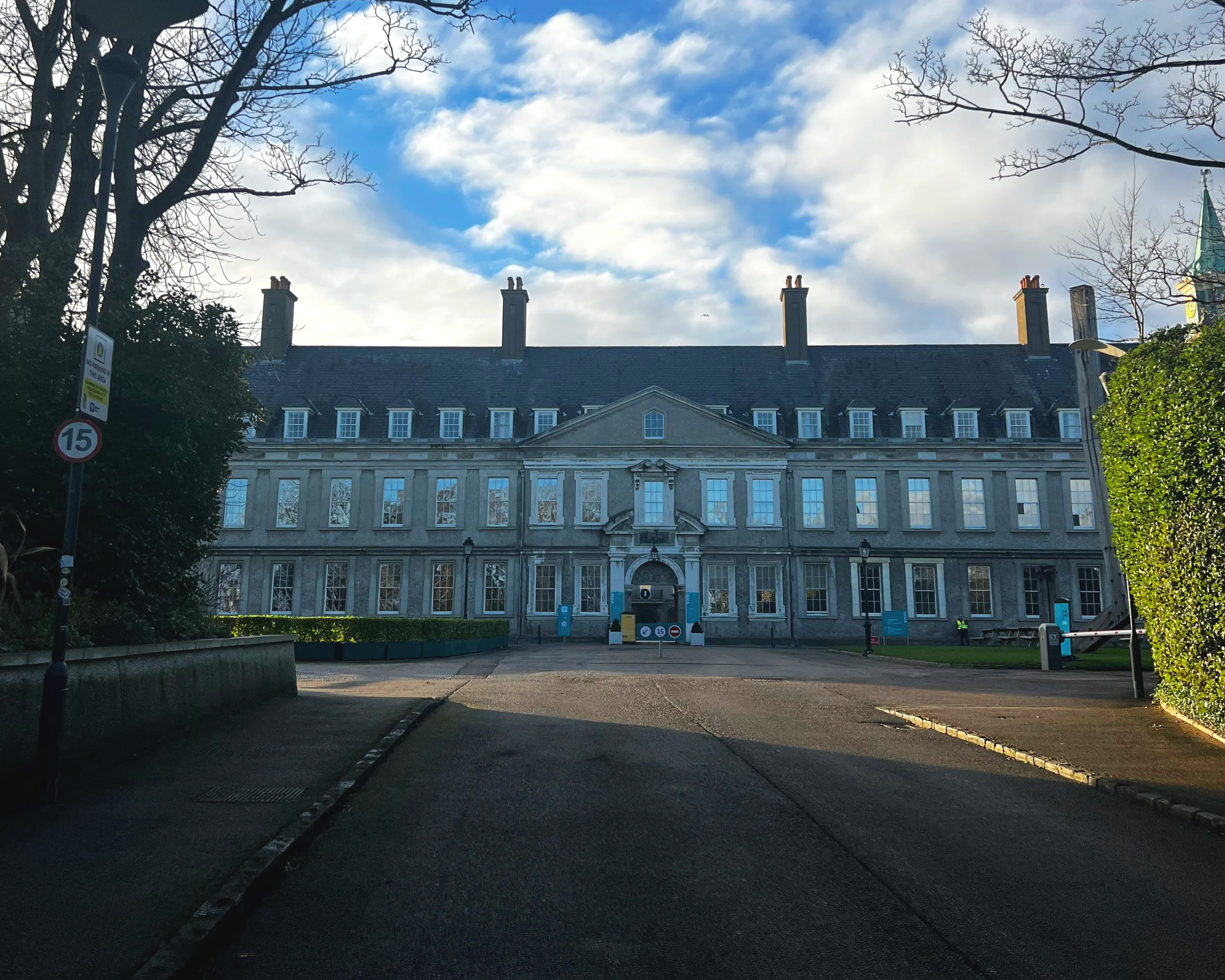
IMMA, Dublin
2. Irish Museum of Modern Art (IMMA) for the contrast
After NGI, hop on the LUAS tram (Red Line) to the Heuston stop, or grab a DublinBikes city bike for a ride along the Liffey. Travel time is ~25 minutes total.
The Irish Museum of Modern Art (IMMA) is located slightly west of the city center. Free entrance, unless you want to visit special temporary exhibitions.
Royal Hospital Kilmainham, Military Rd, Dublin 8
Radically modern conceptual art based in a 17th-century military palace Royal Hospital Kilmainham. Spend here about an hour.
IMMA is highly experimental. The specialty of IMMA is that they don’t keep any static permanent display. Their exhibitions are ever-evolving and temporary. Expect everything from site-specific installations by global heavyweights (think Marina Abramović or Louise Bourgeois) to challenging projects by emerging local voices tackling identity, post-colonialism, and ecology.
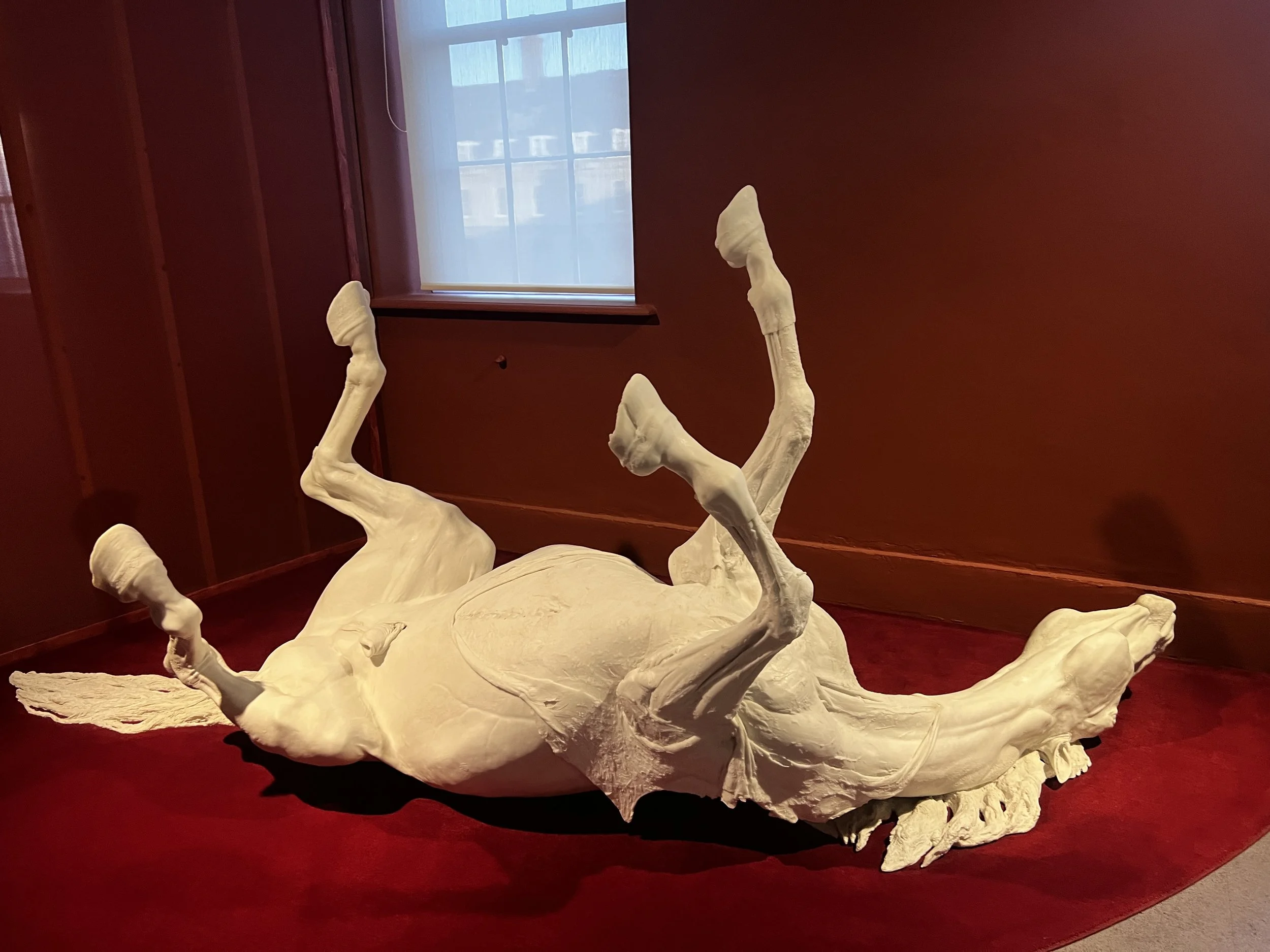
Stallion by Daphne Wright, 2009, plaster
If you come across irish Modernism sculpture — take a closer look. Irish Modernism is absolutely unique because it fused radical European styles like Cubism and Surrealism with ancient Celtic mythology, local materials, and deep national trauma.
Irish modernists also blended European Cubism with ancient Celtic myths and deliberately eschewed traditional white marble, carving their works from rugged local Kilkenny limestone and Connemara marble to emphasize the independence of the new Ireland.
Art Travel Hack: Allocate an extra 30 minutes to stroll the surrounding acreage. This historic building is a true masterpiece in its own right. The museum’s courtyard is also filled with sculptures.
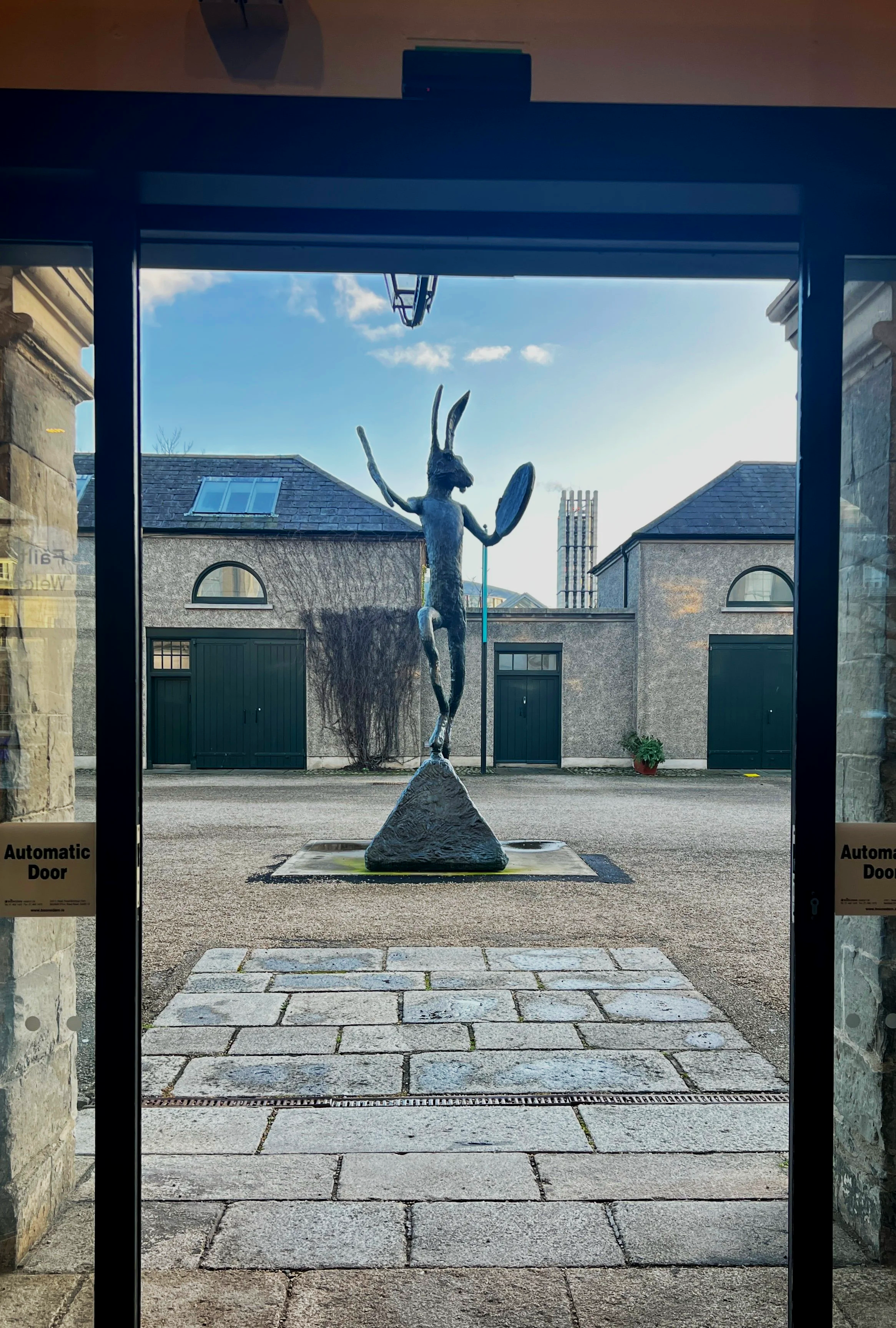
IMMA’s inner courtyard
Lunch
Time for lunch!
There are a few pubs nearby IMMA, so pick one and enjoy your lunch.
The Patriots Inn, €20–30, Irish pub
Located just outside the museum gates at 760 S Circular Rd. This traditional Irish pub stands on sacred historical ground, surrounded by the echoes of Kilmainham. It’s the perfect place to sit back, enjoy some classic pub grub (the fish and chips are exceptional), and watch the world go by with a tremendously pulled pint of Guinness.
Old Royal Oak, €10–20. Pub
If you walk a few minutes down 11 Kilmainham Lane, you’ll find a tiny, family-run ‘country pub’ hidden right in the middle of the city. It is wonderfully cozy, filled with eccentric local character, and famous for its legendary Irish toasties (toasted sandwiches) and arguably one of the creamiest pints of Guinness in Dublin 8.
Take an hour to rest, chat with the locals, and absorb the neighborhood’s unique soul before we hop on the tram to our final artistic destination.
3. The Underground. Pallas Projects / Studios
After lunch, go to our final art stop for a day.
Pallas Projects / Studios is a raw, artist-led space showcasing the exact direction of Irish art today. Exit IMMA’s historic grounds via the East Gate onto Bow Lane West. Head east along James's Street (passing right by the Guinness Storehouse), turn right down Thomas Street, then cut south through Meath Street, one of Dublin’s most authentic, bustling market streets. before turning left onto The Coombe to arrive at Pallas. The total trip is ~30–35 minutes.
To find the true pulse of the city’s living art scene, head off the beaten path into the historic, historically rebellious neighborhood known as The Liberties. Tucked away inside an old schoolhouse lies Pallas Projects, one of Ireland’s longest-running independent, artist-run spaces.
Unlike the sterile, guarded galleries of major museums, Pallas smells of fresh paint, timber, and creative risk. This is the home of grassroots, DIY contemporary art. You will find raw paintings drying on the walls, avant-garde video installations, and spontaneous performance art.
Why it’s a must-visitThere is zero pretense or institutional snobbery here. It is the absolute best spot to mingle with the local creative community and discover under-the-radar talent before they break into the mainstream market.
Your turn!
One day, three wildly different spaces, and a whole new perspective on the Irish capital. Dublin is so much more than its pubs, you just have to know where to look.
Are you team Heritage or team Underground? Let us know your pick in the comments, and don't forget to save this post for your next trip!
