
How to understand the Highlands: Inverness Museum and Art Gallery
I believe that to truly understand the Scottish Highlands, you should be brave enough to lose yourself in the wild of forests, or sail Loch Ness, or hike those mountains and feel the power of the Nature of Highlands. However, raw nature only tells half the story.
The physical beauty of the Highlands is in history, forgotten identities, language, folklore and… even in ancient rock art. To see how this majestic landscape shaped the identity of Scottish people, an art traveler should begin their journey right in Inverness — the heart of the region’s capital city. And the Inverness Museum and Art Gallery is the definitive cultural gateway to the Scottish north.
Founded in 1825, it is the oldest museum in the Highland region. It tells the story through its curated collection with local art, geology, and ancient artifacts.
Table of Contents
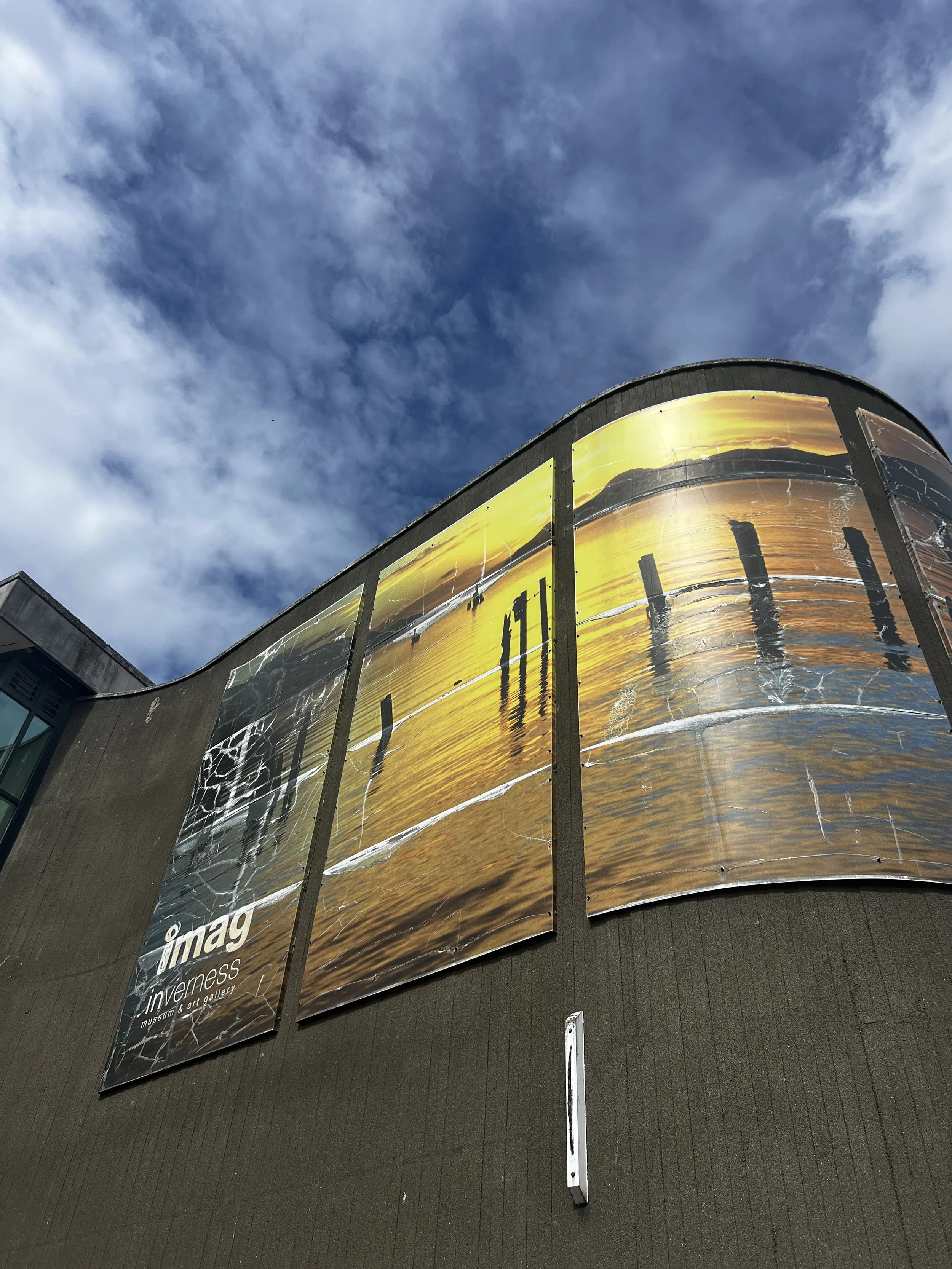
Floor 1. The geological foundation
Many people travel to Highlands to see prehistorical ancient rock art, especially those most famous in the Ross-shire region.
The ground floor of the Inverness Museum and Art Gallery shows the deep, tectonic timeline of the Scottish Highlands. Long before it was a home for artists and clans, this territory was sculpted by massive glacial movements, volcanic activity, and shifting continental plates.
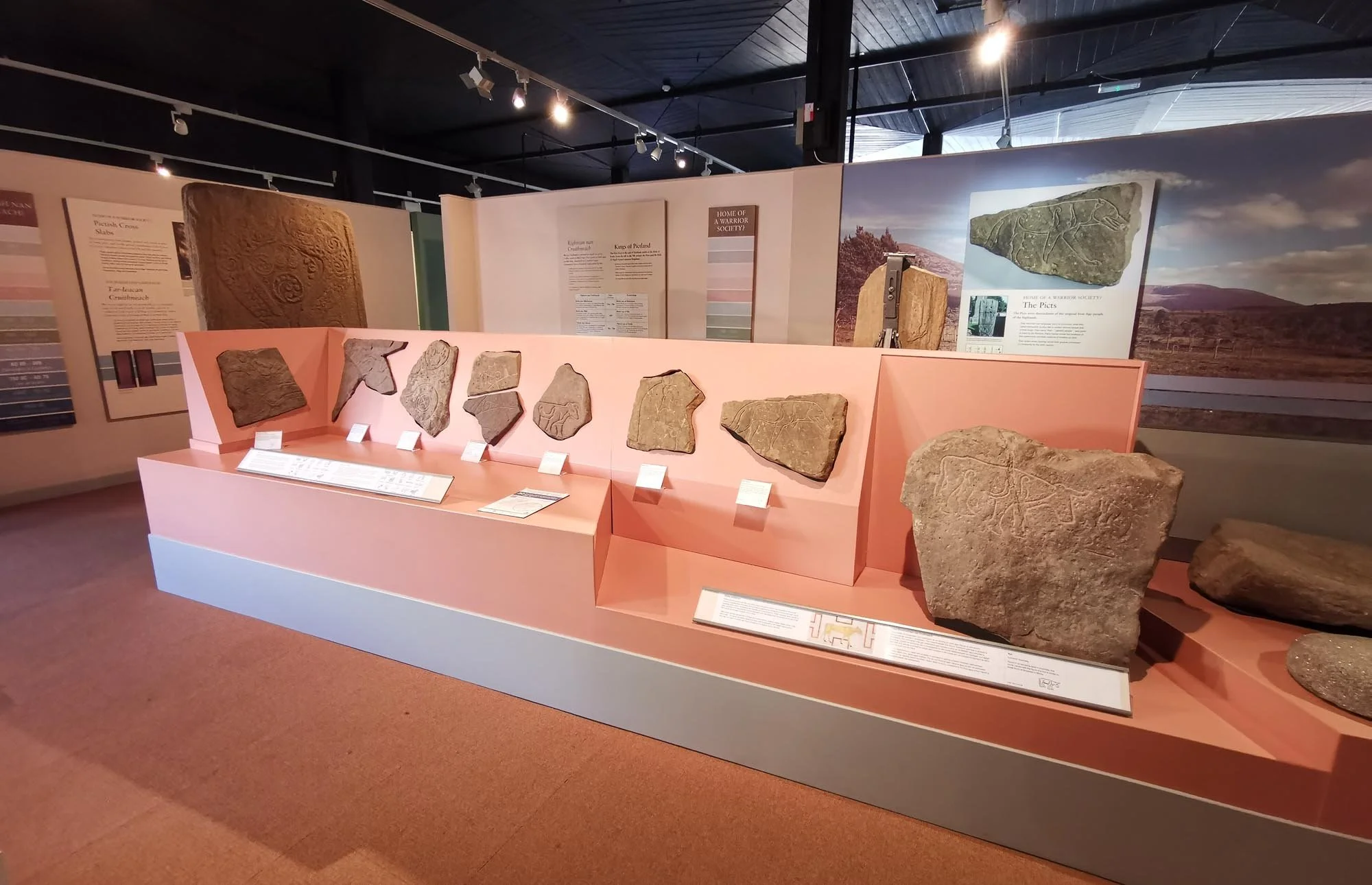
The Museum of Inverness’ collection of early carved and incised stones
Rock art
Before you head to search for legendary petroglyphs of Scottish Highlands, go visit the Inverness Museum and Art Gallery’s important regional collection of early carved and incised stones.
While it is most famous for its Pictish symbol stones — such as the iconic Ardross Wolf Stone — some of these very stones also bear traces of earlier prehistoric rock art, showing how later peoples reused ancient carved surfaces.
These are the very materials that early civilisations used to express themselves. These artifacts tell how the jagged cliffs and deep glens of the Highlands were formed, and why specific stones became sacred canvases for early sculptors.
The secrets of Pictish Code
The ground floor is dedicated to the museum’s most mystifying artistic highlight: its world-class collection of early medieval Pictish symbol stones.
The Picts, a sophisticated tribal confederation named “the painted people” by Roman observers, dominated northern Scotland from roughly 400 AD for nearly six centuries. Because they left no written narratives, their monumental stone art stands as their sole remaining voice, making the Inverness Museum an essential site for decoding their identity.
The museum preserves ten extraordinary Class I and Class II stones, each hand-carved with a precise lexicon of abstract shapes and wildlife portraiture.
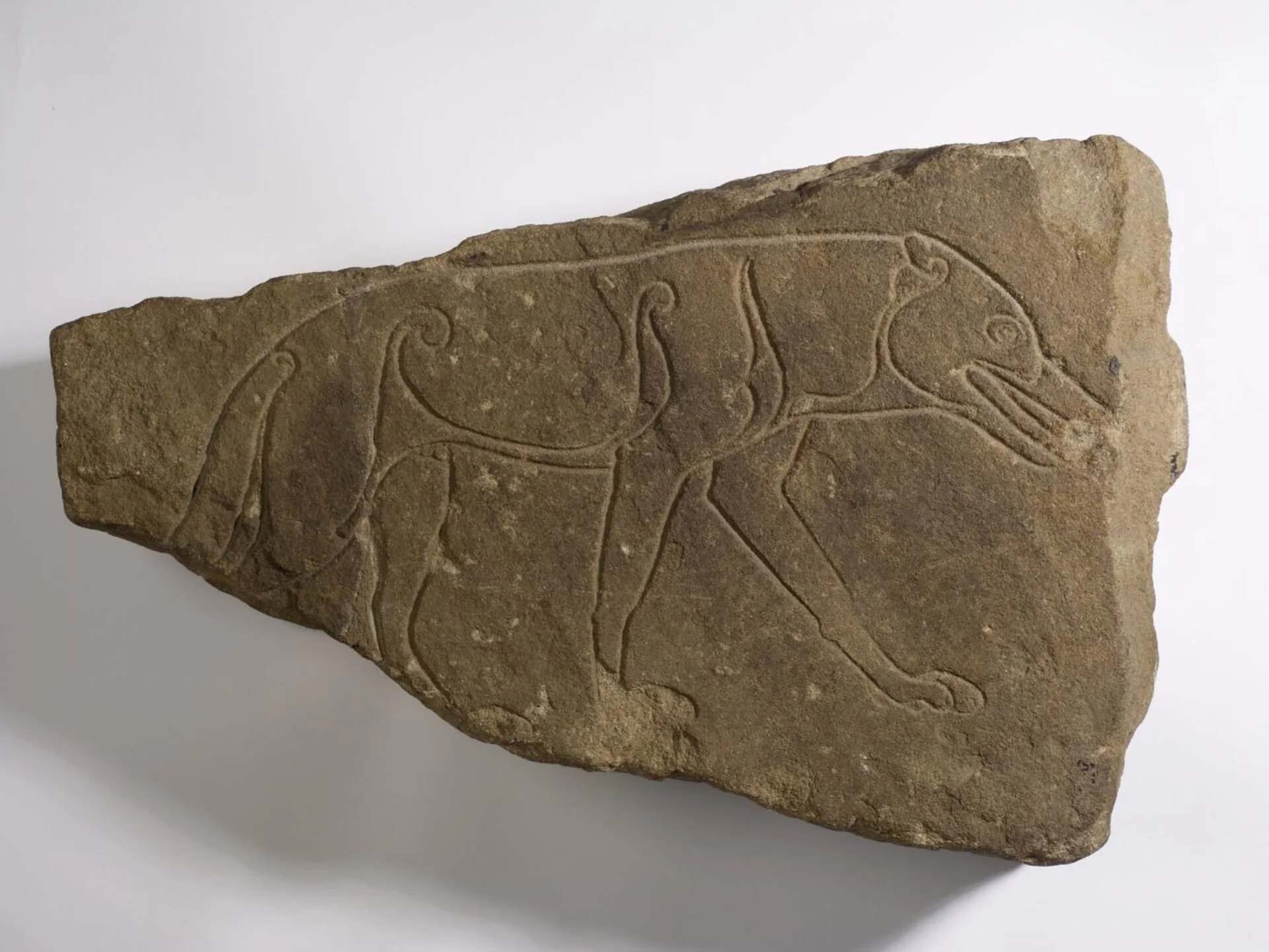
Ardross Wolf, Pictish symbol stone
The Ardross Wolf stone
The famous jewel of the collection is the Ardross Wolf Stone, discovered during 19th-century estate walls repairs. This sandstone fragment features a beautifully stylized wolf rendered in mid-stride. The prehistoric artist utilized sweeping, fluid lines to convey muscular power and motion. The distinct muscle swirls at the limb joints and the extended jaw demonstrate an advanced artistic tradition that valued emotional expression over simple realism.
The wilderness and wildlife
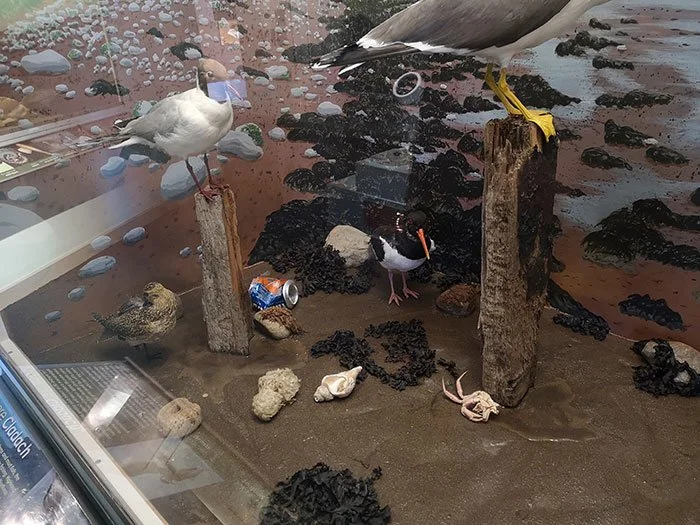
The museum then transitions from the ancient rock to the living ecosystem of the region. The natural history exhibits display the native fauna that has inhabited the vast Highland forests for millennia. Intricate displays featuring the rare Scottish wildcat, pine martens, badgers, and soaring golden eagles illustrate the natural world that surrounded early human settlers.
For the art traveler, this gallery is essential; it reveals the direct source material for centuries of Highland visual art. The animals displayed on this floor are the exact creatures that ancient peoples stylized, carved, and transformed into enduring tribal symbols.
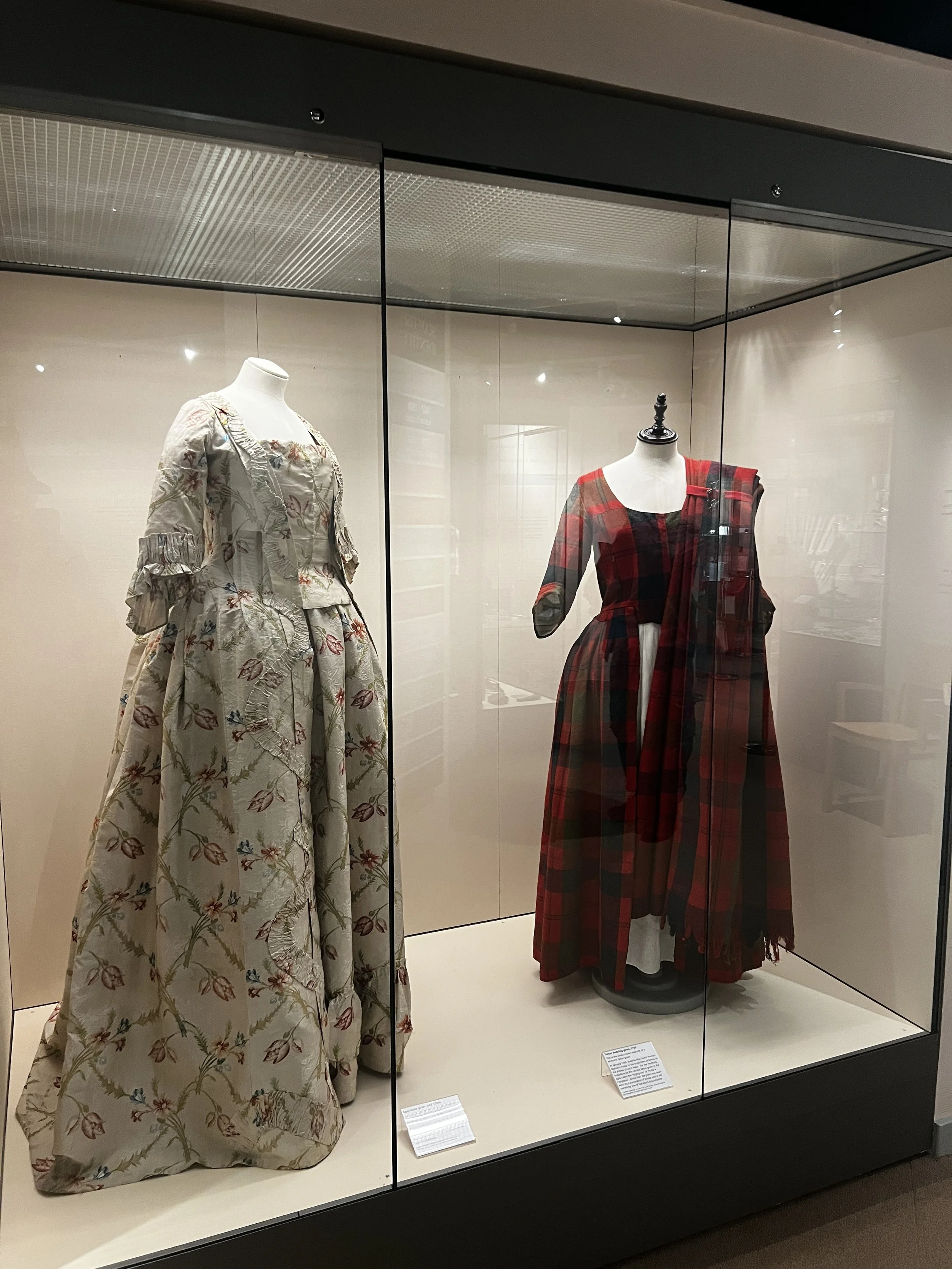
Isabella Fraser’s tartan wedding dress and plaid
Floor 2. The cultural crucible of the modern highlands
This floor uses art, textiles, and weaponry to tell the turbulent story of the Highland clans, their craftsmanship, and their ultimate clash with the British Crown.
Jacobite Material Culture
The museum features an exceptional repository of Jacobite memorabilia tied directly to the 1745 rising. The highlights here are the historic Stuart family portraits, including a notable painting of Prince Charles Edward Stuart attributed to the renowned Italian artist Pompeo Batoni.
This artwork allows the museum to explain the deep political and emotional divisions of the region. Nearby, visitors can view Isabella Fraser’s tartan wedding dress and plaid, an incredible textile piece from 1745 that showcases the intricate geometry, dyeing traditions, and craftsmanship of historic Highland weavers.
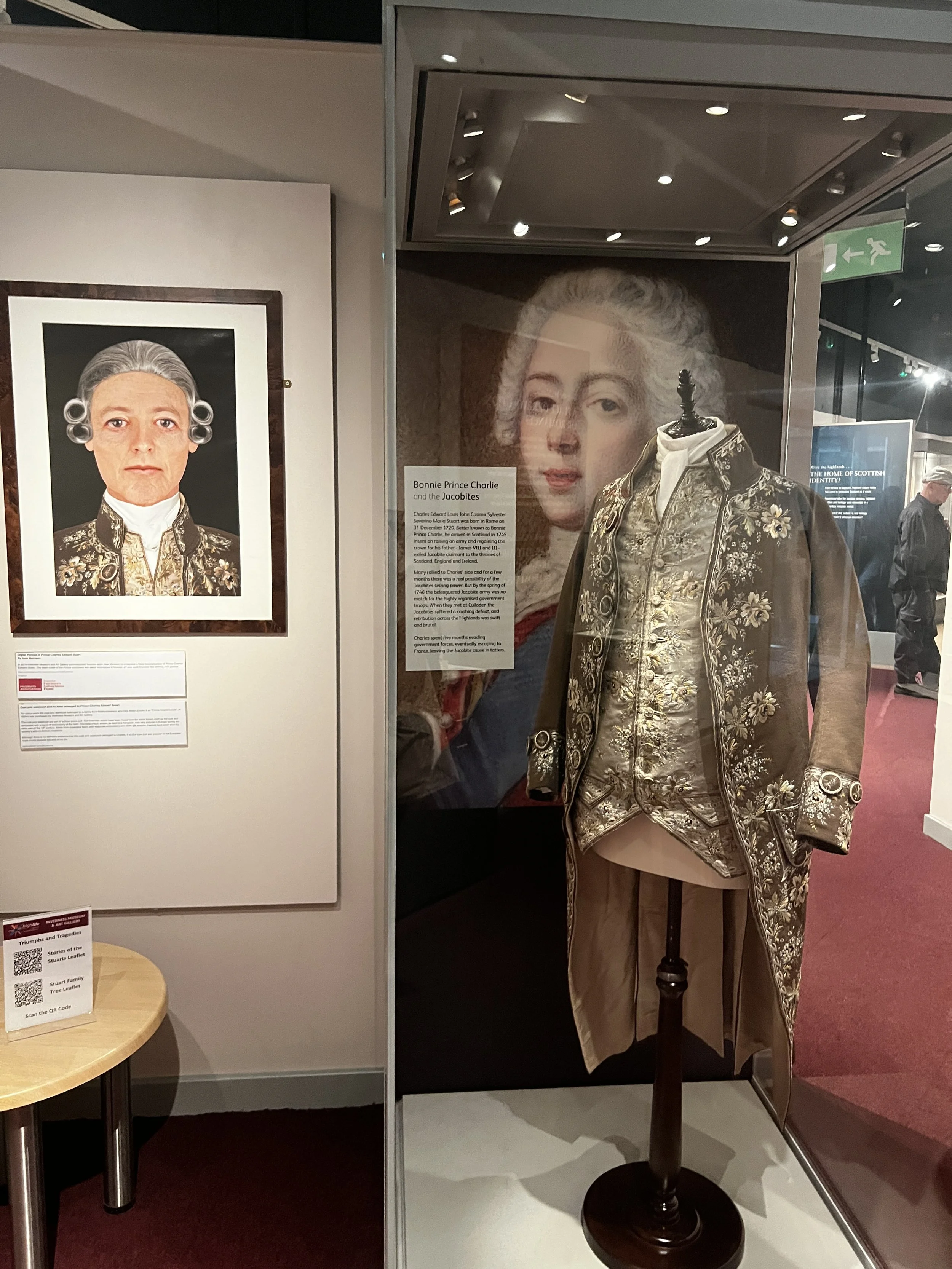
A 18th-century Jacobite court dress and portrait of Prince Charles Edward Stuart on display at the Inverness Museum and Art Gallery, Scotland.
The art of Highland weaponry
The collection of historic weaponry on display proves that in the old Highlands, functional items were always treated as opportunities for artistic expression. The exhibit showcases beautifully crafted broadswords, engraved powder horns, and historic all-steel Highland pistols. These weapons feature complex interlaced Celtic knotwork, silver inlays, and fine engravings. The museum effectively shows how the constant threat of conflict in the rugged landscape drove craftsmen to turn tools of war into highly prized cultural items.
Scottish identity
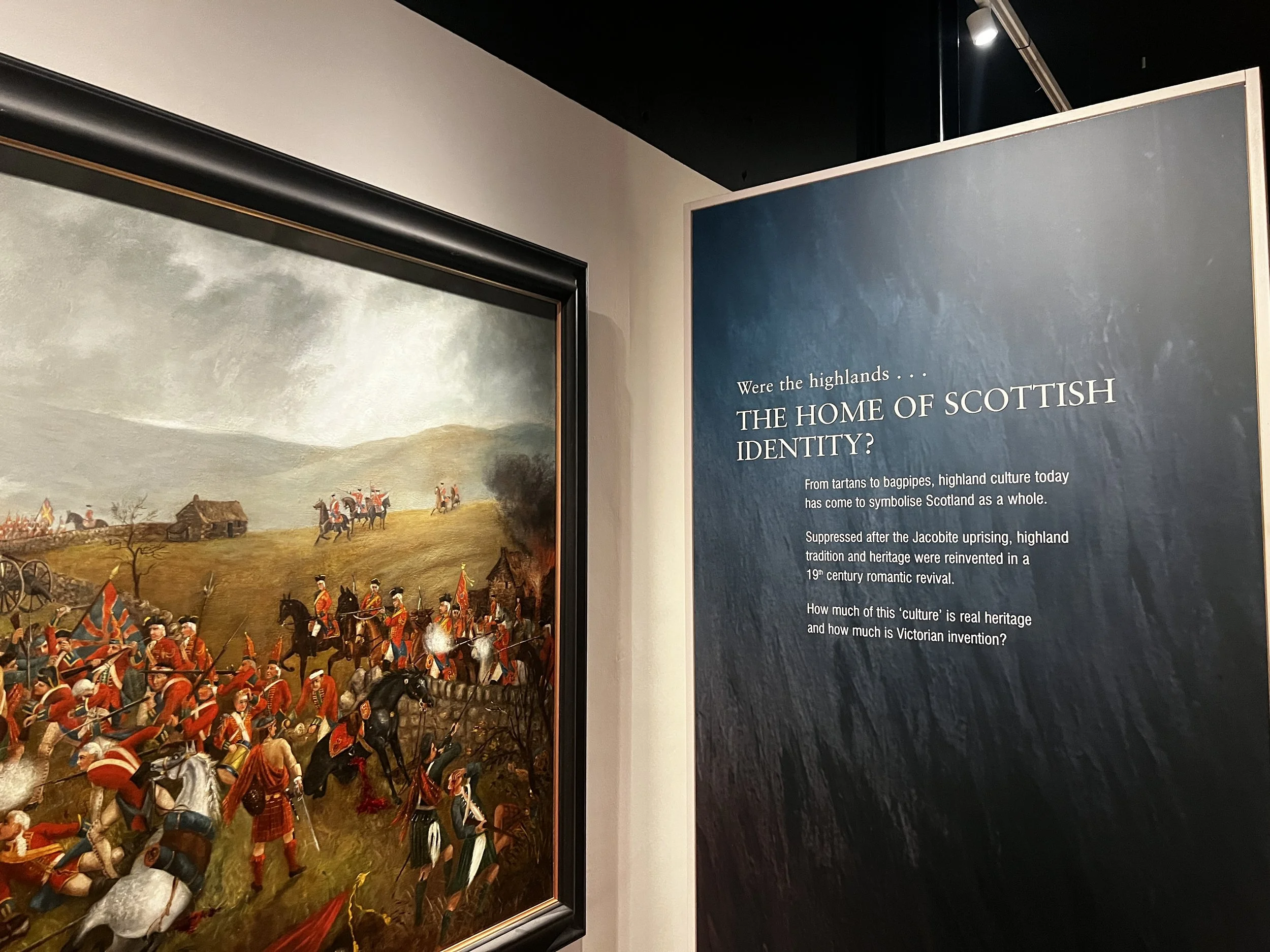
The core idea of the museum’s collection is to show the essence of Scottish identity. What makes Scottishness? How did it evolve? How did artist show it in their works?
To answer these questions, the museum arranges their art collection through layers of time. “Scottishness” is treated as a concept. You can see how the harsh beauty of the Highlands, the heavy dramatic skies, and the turbulent history of the clans have been captured by generations of painters and craftsmen.
The museum beautifully demonstrates that Scottish identity is an ongoing conversation — one that is constantly being reshaped, yet always anchored in the spirit of the north.
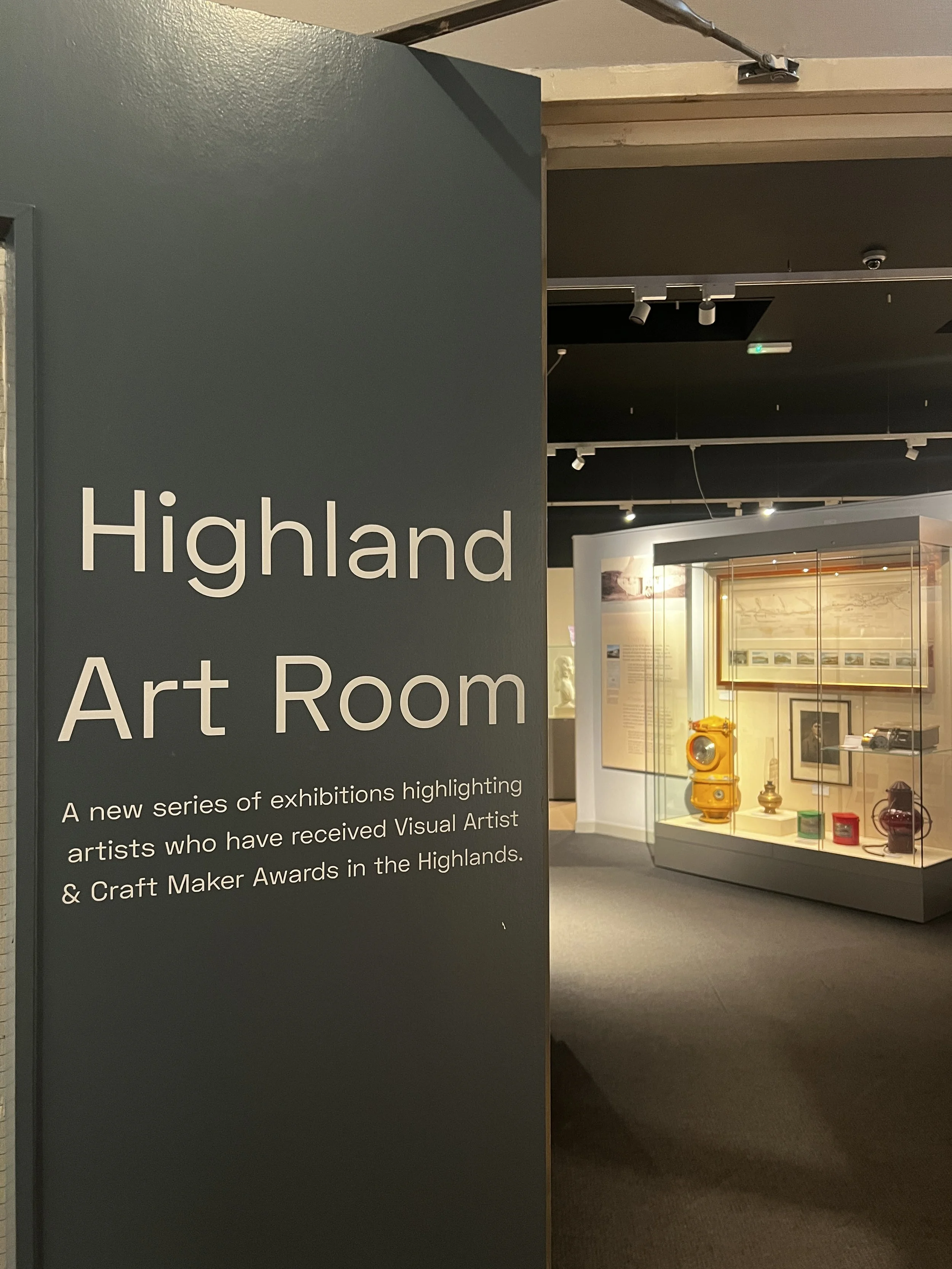
The Inverness Museum and Art Gallery is dedicated to host a rotating schedule of temporary exhibitions featuring modern Scottish and international artists who continue to draw inspiration from the northern landscape.
General info
Entry is completely free of charge, supported by donations.
Open Tuesday through Saturday from 10:00 AM to 5:00 PM. Closed on Sundays and Mondays.
The venue includes an excellent ground-floor coffee shop and a gift shop filled with regional art books, exhibition catalogues, and handmade local crafts.
Allocate at least two to three hours to thoroughly explore both floors before heading out into the wider Highland landscape.
