

The architectural wonder of MAC Niterói: is Brazil’s “Flying Saucer” museum worth going inside?
In the official manifesto of the Niterói Contemporary Art Museum (MAC), a powerful statement sets the tone for visitors: “Culture is everywhere, and culture is your right”.
For architecture lovers and travelers visiting Rio de Janeiro, this museum is a non-negotiable bucket-list item. However, after exploring the site firsthand, a striking contradiction emerges: the strongest emotions and memories remain tied almost exclusively to the brilliant architectural shell, rather than the contemporary art curated inside.
Here is what you need to know before making the journey across the bay.
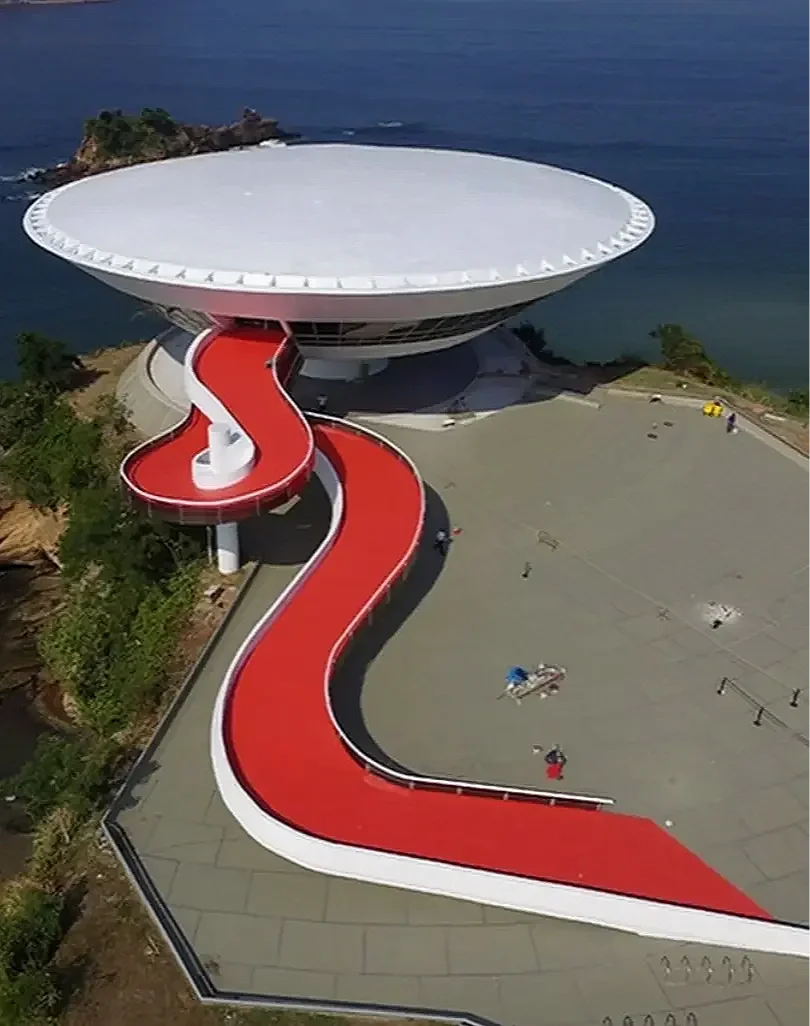
Walking up this curved ramp transforms the simple act of entering a building into an immersive experience.
What is MAC Niterói?
The Niterói Contemporary Art Museum (MAC Niterói) is an iconic modernist landmark located in Niterói, Brazil, sitting directly across Guanabara Bay from Rio de Janeiro.
The building was designed by Oscar Niemeyer, the legendary Brazilian architect and Pritzker Prize laureate. It was completed in 1996. Niemeyer, who famously shaped the futuristic landscape of Brasília and designed the Mondadori headquarters in Milan, created MAC Niterói as one of his most celebrated late-career masterpieces.
The building mimics a sleek, futuristic flying saucer hovering over the water. It is elevated on a narrow cylindrical base and accessed via a long, winding, bright red ramp. Walking up this curved path transforms the simple act of entering a building into an immersive experience.
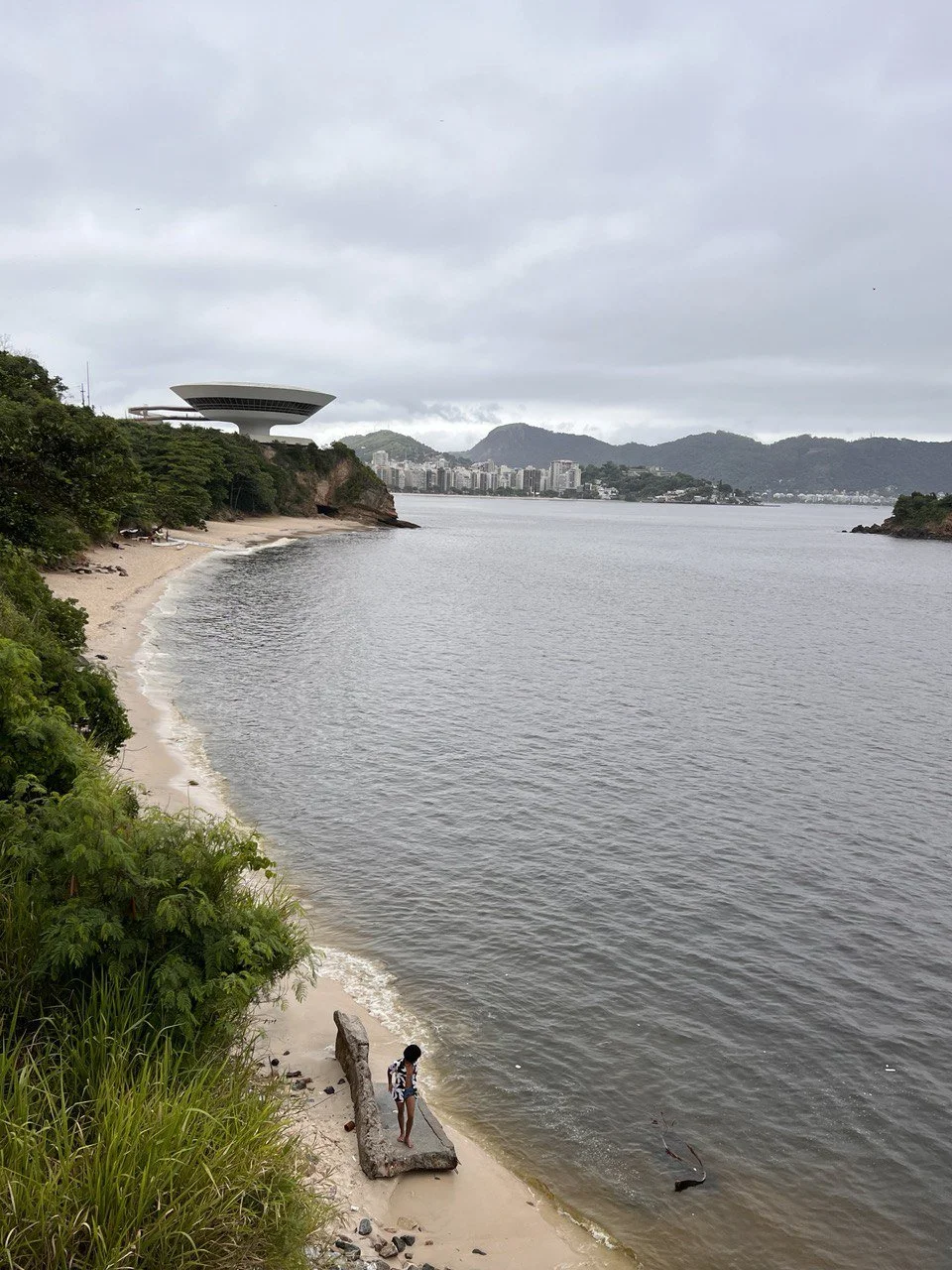
The building is elevated on a narrow cylindrical base and accessed via a long, curved ramp, a gesture that turns the act of entering the museum into a performative experience in itself.
The Art Collection: concrete and neo-concrete masters
Despite the architectural dominance, the museum holds immense cultural value within its walls. It houses the prestigious João Sattamini Collection, one of the most significant private collections of modern and contemporary art in Brazil.
Sattamini was a visionary collector and art dealer who deeply influenced the narrative of Latin American art. The collection spans paintings, sculptures, and works on paper, with a heavy emphasis on two pivotal Brazilian art movements:
► Concrete Art is a movement focused on rigid geometric forms, lines, and colors, stripping away sentimentalism.
► Neo-Concrete Art is rebellious shift toward more sensory, participatory, and organic forms of abstraction, emphasizing the viewer's emotional experience.
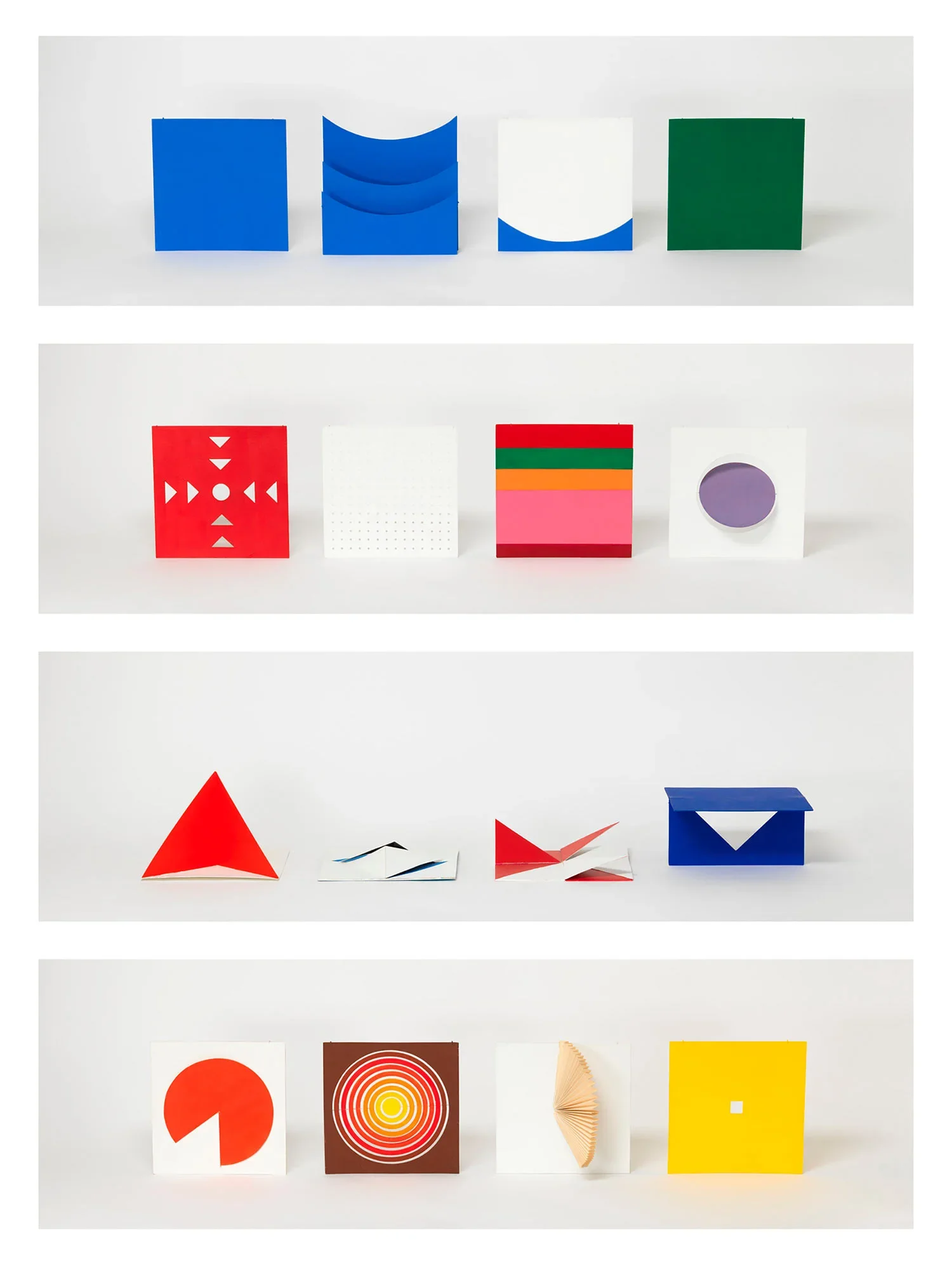
Brazilian Neo-Concretism. Lygia Pape. Book of Creation. 1959–60.
Why most tourists skip the inside (and the payment bottleneck)
Remarkably, while hundreds of tourists crowd the outer plaza to take photos of Niemeyer’s exterior, relatively few actually purchase a ticket to go inside. This occurs for two distinct reasons.
The final verdict
Highly recommended. Despite the curatorial shortcomings, MAC Niterói deserves a spot on your itinerary. Go for the breathtaking architectural form, take in the panoramic views of Rio de Janeiro from the glass promenade, and appreciate the historical weight of the Sattamini collection.
P.S. Pack local currency (Brazilian Reais) in your bag, or your trip across the bay will stop at the red ramp.
General info
To ensure you don’t get turned away at the iconic red ramp, use this quick reference guide to plan your trip from Rio de Janeiro to Niterói:
Mirante da Boa Viagem, s/nº - Boa Viagem, Niterói - RJ, 24210-390, Brazil.
Museum hours. Tuesday to Sunday, 10:00 AM – 5:30 PM (Closed on Mondays).
Courtyard & patio hours. Open daily from 9:00 AM – 6:00 PM, offering free access to the best exterior photo angles.
Admission fees. R$ 16.00 for standard adult tickets. \
Discounts & free admission: Half-price tickets (R$ 8.00) are available for students and seniors over 60. Admission is entirely free for everyone on Wednesdays, and free every day for anyone arriving at the museum by bicycle. [1, 2, 3]
Crucial payment rule: Cash only (Brazilian Reais) as per June 2026. Credit cards and international digital payments are rarely functional at the main ticket counter.
How to get there: Take the public ferry (Barcas) from Rio’s Praça XV to the Praça Arariboia terminal in Niterói, then take a short 10-minute taxi or local bus to the museum.