
One of the most famous, respected, and truly noteworthy cultural spaces in Lisbon is MAC/CCB in the historic district of Belém.
📍Location: Praça do Império, 1449-003 Lisbon
The building of Museu de Arte Contemporânea CCB (MAC/CCB) is a modernist fortress of stone and light. Many travelers skip it, but true art lovers know that this building houses one of Europe’s most staggering collections of 20th- and 21st-century avant-garde masterpieces.
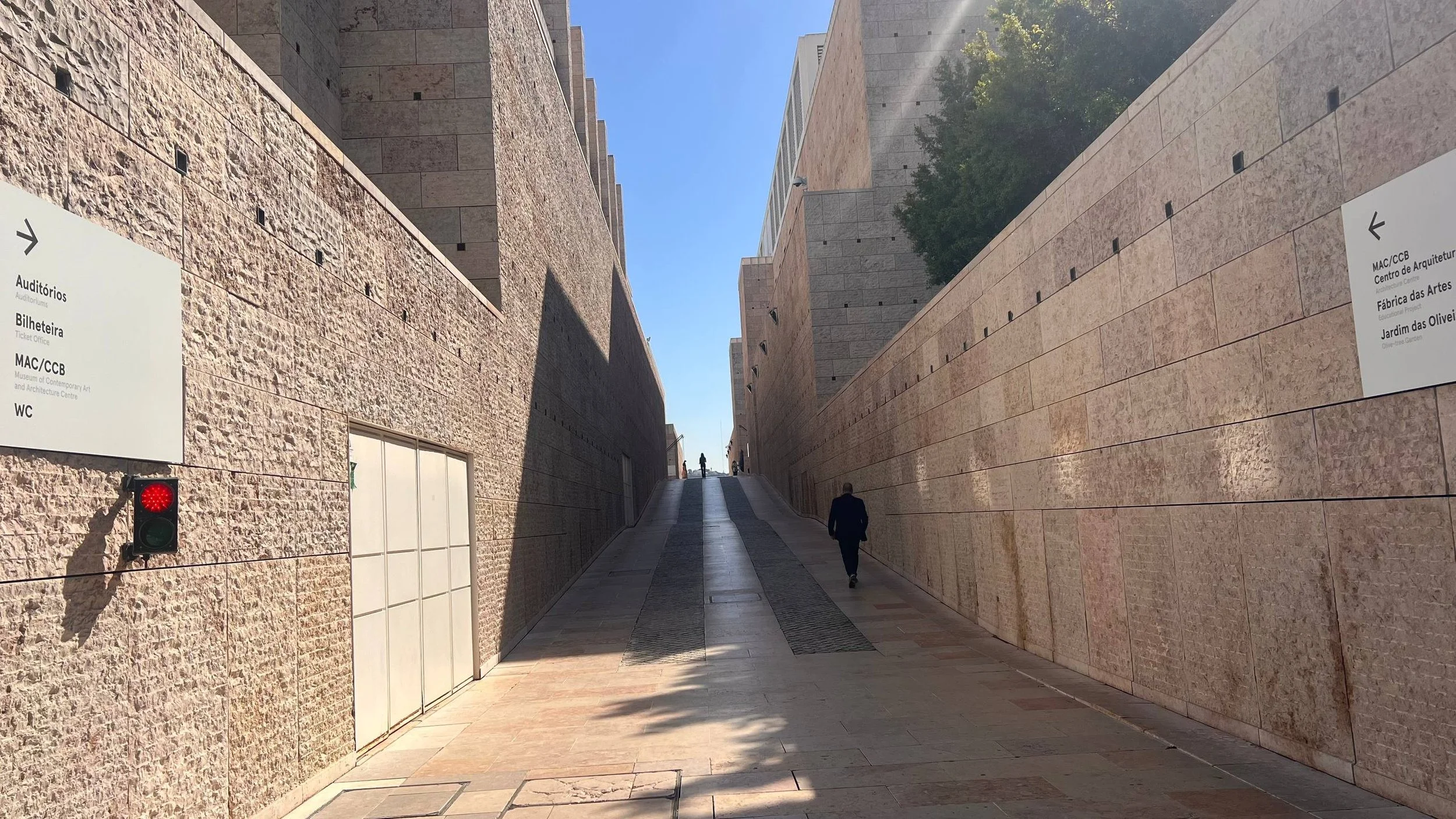
The architecture by Vittorio Gregotti
The Belém Cultural Center (CCB), which includes the museum, was designed by Italian architect Vittorio Gregotti in collaboration with Portuguese architect Manuel Salgado. After it was opened in 1993, its construction sparked a fierce architectural debate across Portugal.
Gregotti’s idea was to design the complex as a “city within a city”, with massive, geometric blocks clad in split Abancado de Pero Pinheiro limestone. The architecture deliberately choice to be a tough, minimalist, and almost brutalist response to the hyper-decorative, post-Gothic Manueline style of the neighboring Jerónimos Monastery.
Gregotti built a clean, timeless stone landscape with sunlit big rooms that are just perfect for art.
The legendary Berardo collection
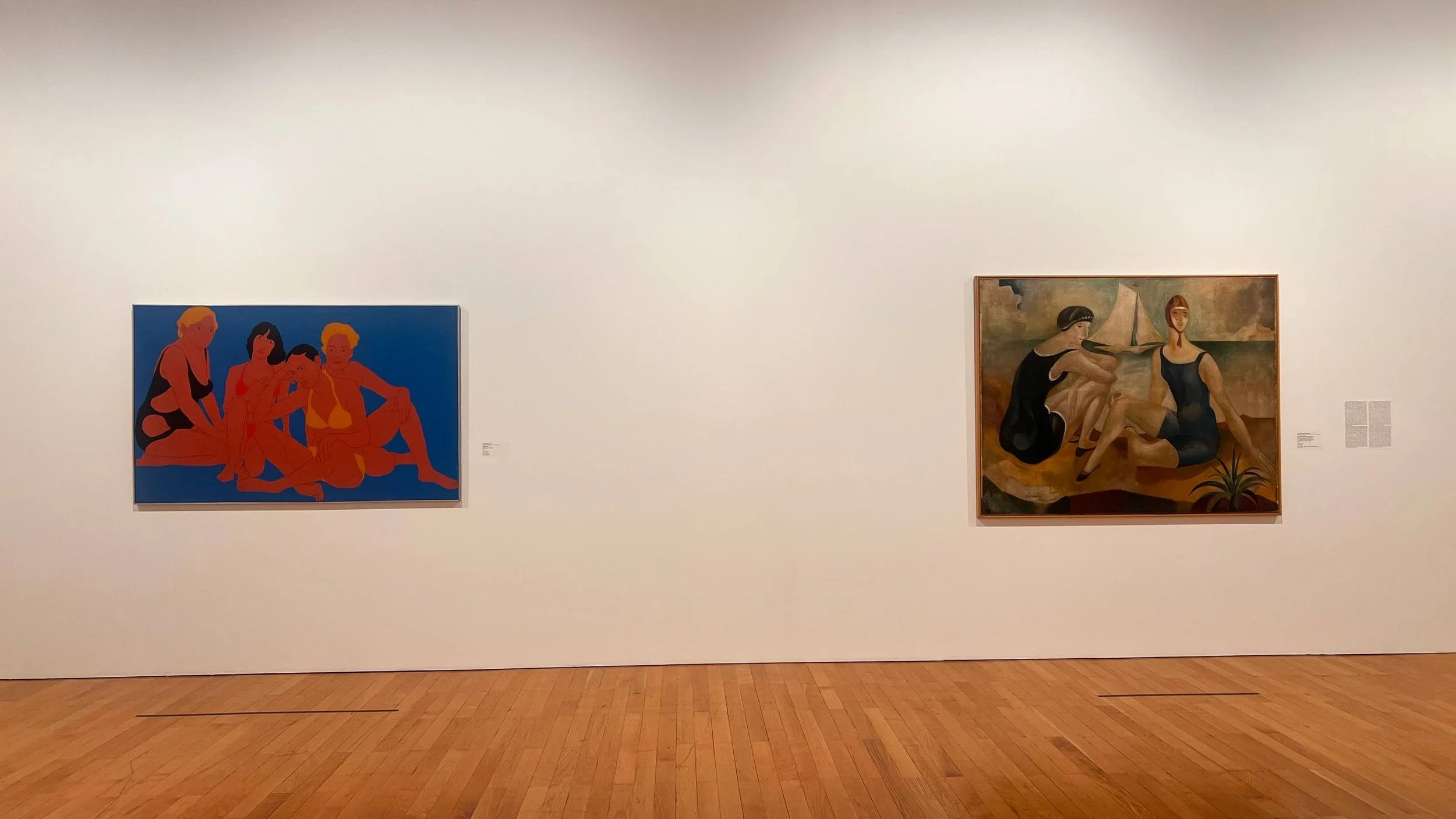
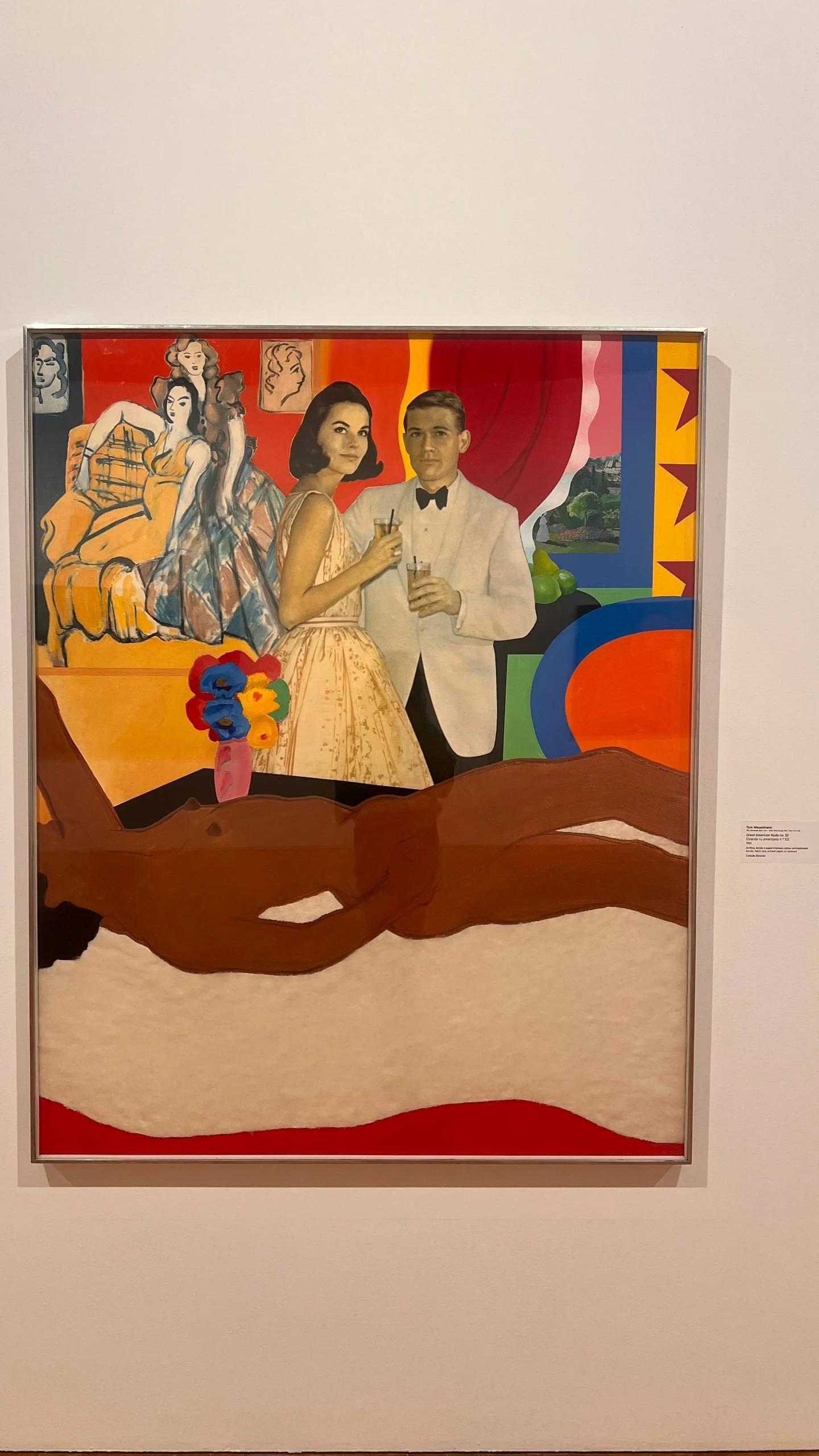
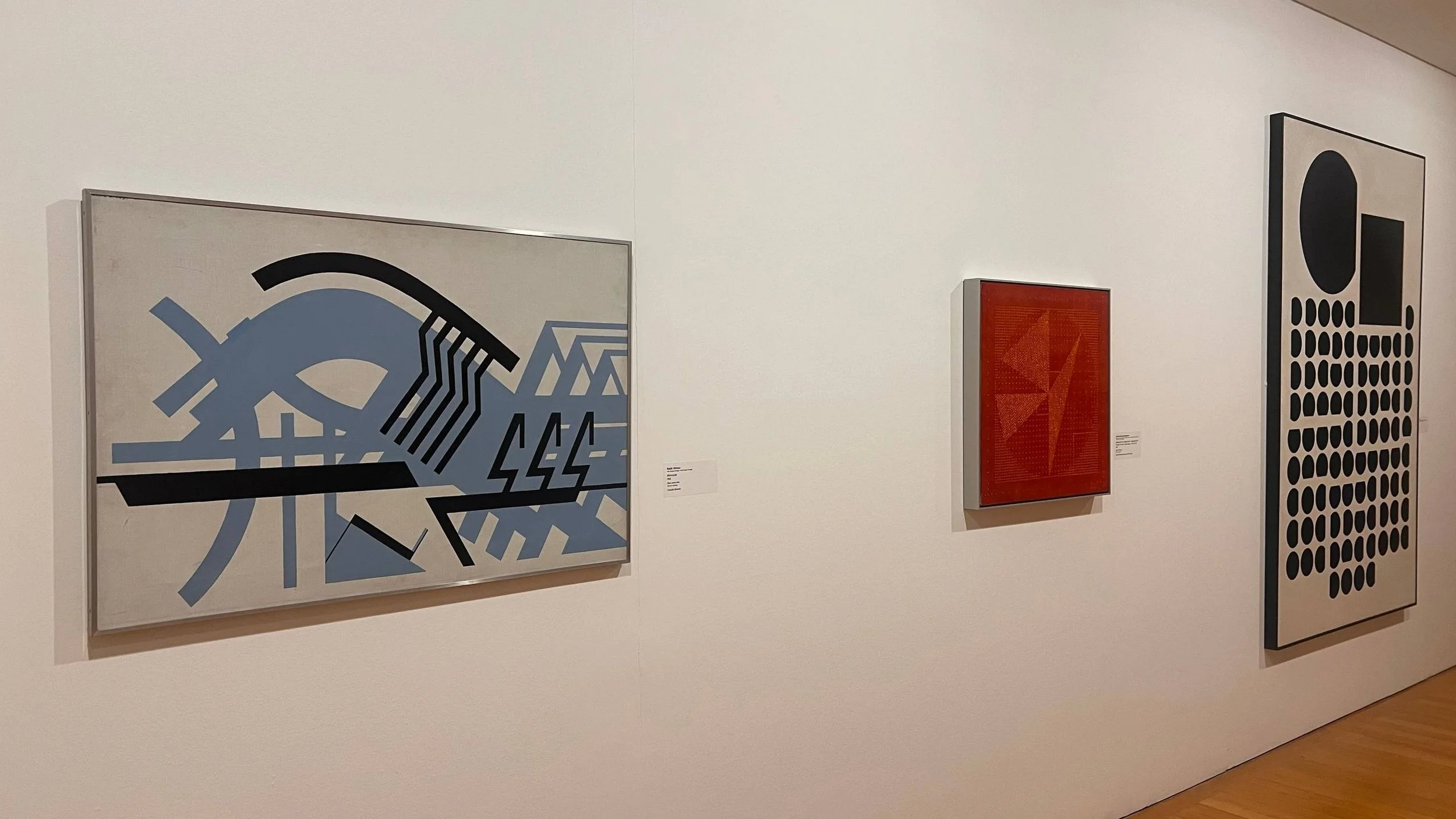
At the heart of MAC/CCB lies the permanent exhibition derived from the Berardo Collection, a world-class assembly that tracks the monumental shifts of the art world over the last century.
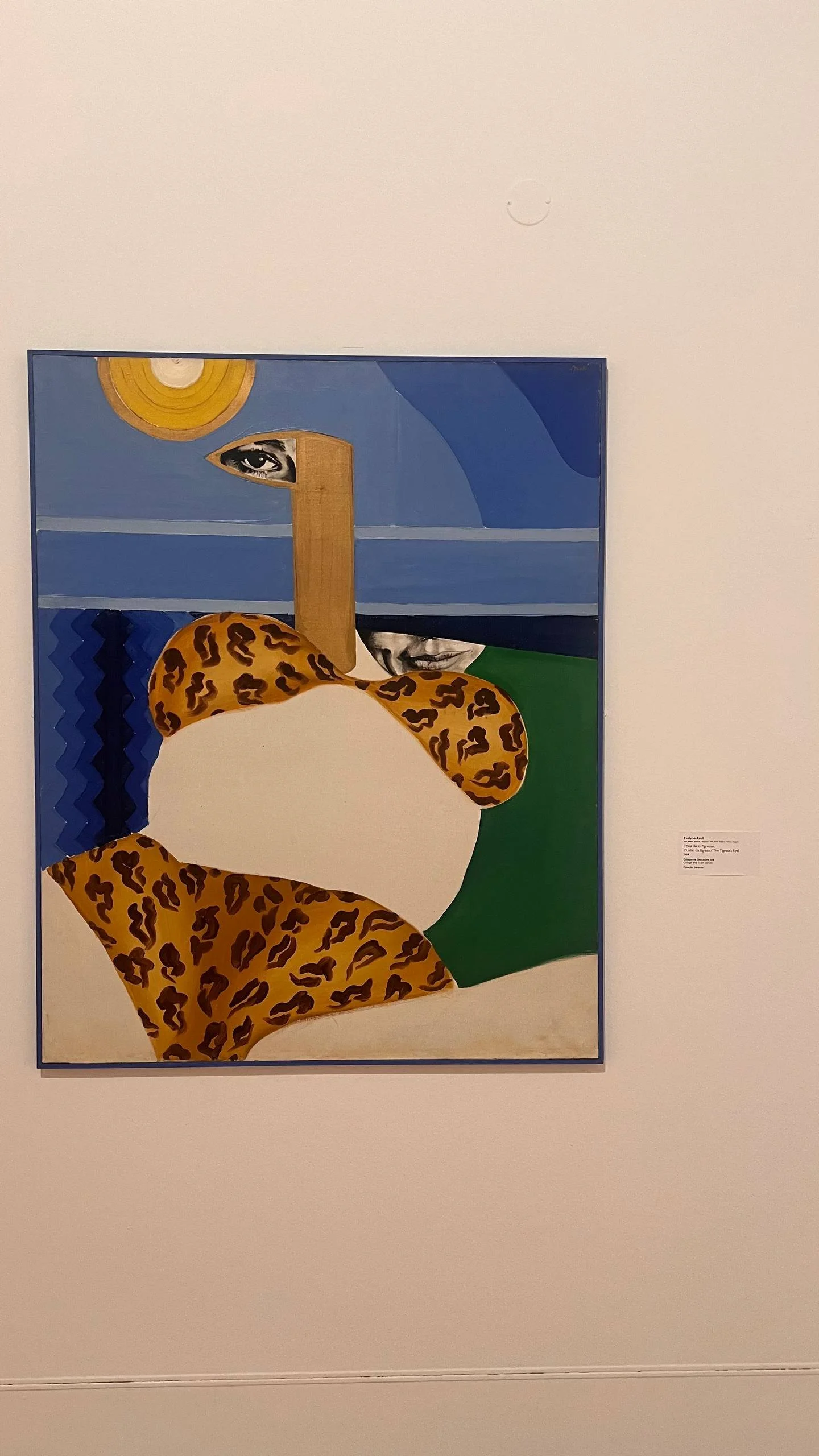
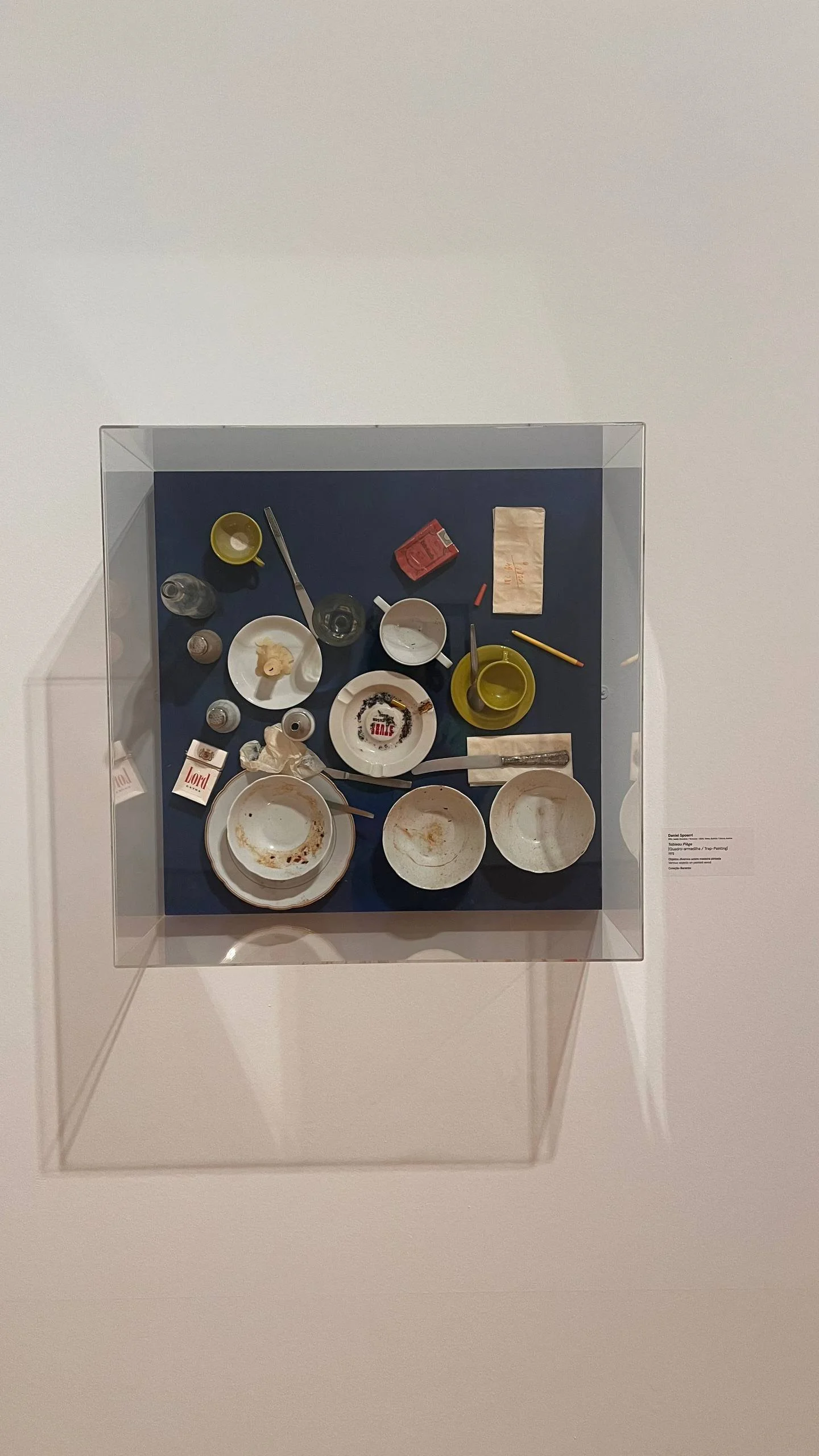
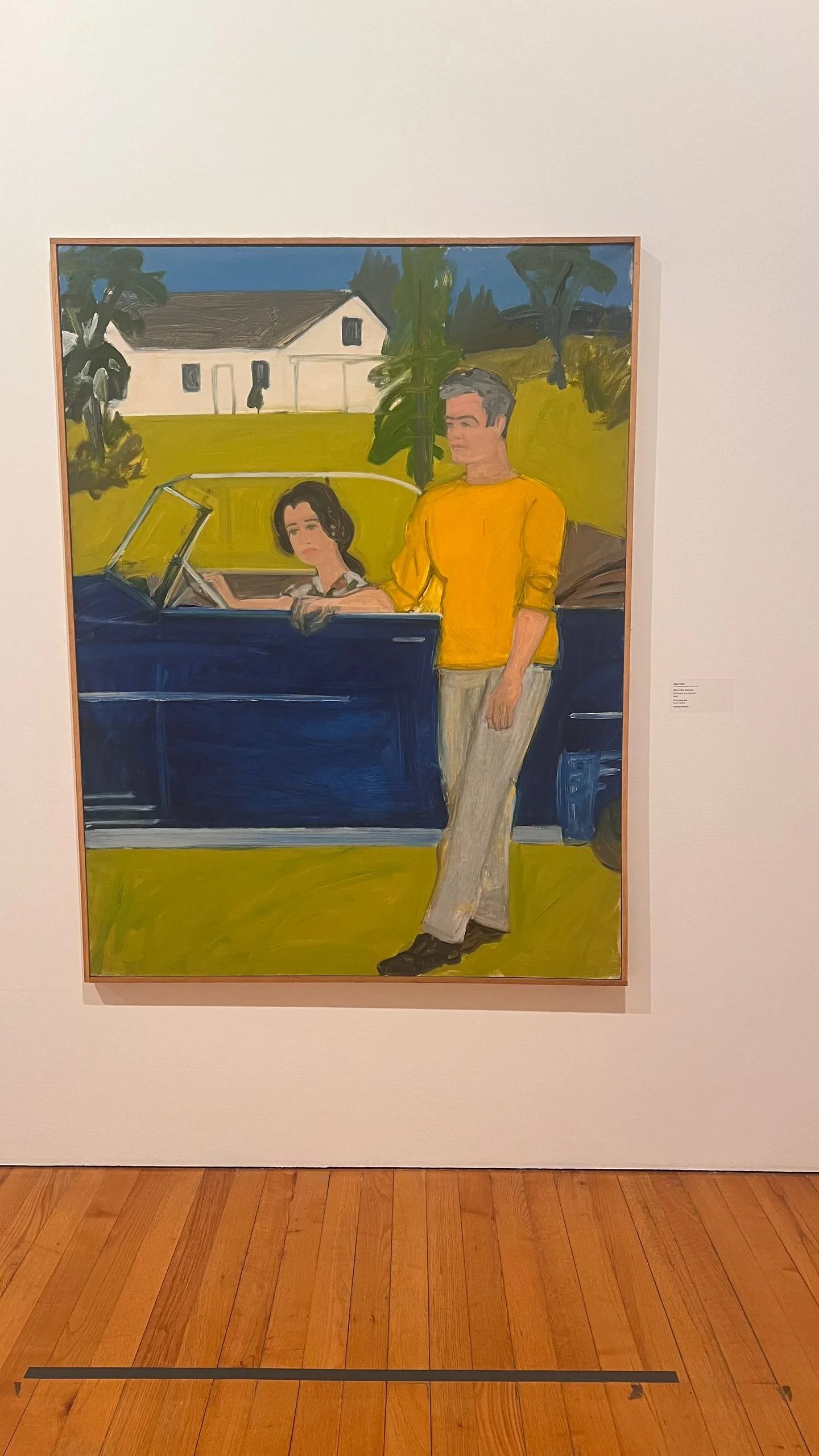
The museum’s layout allows a seamless walk through every major movement: from Surrealism and Abstract Expressionism to Pop Art, Minimalism, and Conceptual Art. Walking through its four floors brings you face-to-face with legendary icons by Pablo Picasso, Salvador Dalí, Andy Warhol, Francis Bacon, Jackson Pollock, and David Hockney.
Adriana Varejão’s Meat Ruins
Among the museum's most striking contemporary treasures is Ruína de Charque Horto (2001) by Brazilian artist Adriana Varejão. For anyone exploring the spatial narratives of post-colonial art, this piece is an unforgettable anchor.
Varejão creates a shocking, visceral paradox: a traditional architectural column, covered in beautiful, clean Portuguese azulejos (blue and white ceramic tiles), appears to be violently ruptured. Tearing through the orderly tilework is a raw, fleshy, meat-like form sculpted from oil and polyurethane.
This eruption of flesh symbolizes the hidden wounds, violence, and cultural hybridism of colonialism, breaking through the smooth, manufactured veneer of European imperial architecture.
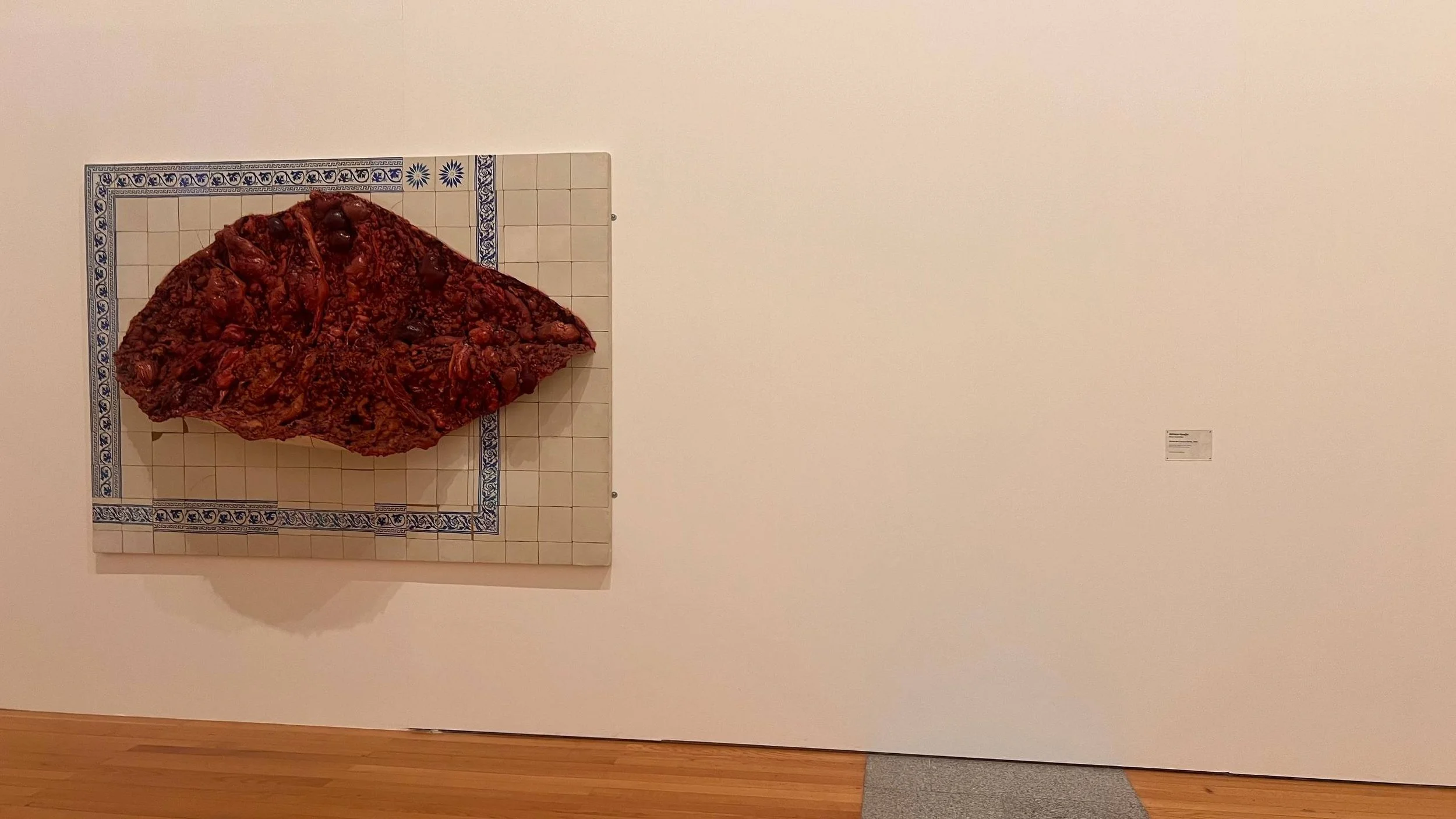
Adriana Varejão, Ruína de Charque Horto, 2001
From surrealism to pop realism
The museum also excels in its presentation of mid-century European and American breakthroughs. Highlights include Salvador Dalí's The Lobster Telephone (1936), a textbook masterpiece of Surrealist subversion that turns mundane everyday objects into playful, psychological totems.
Furthermore, the galleries masterfully chart the rebellious 1950s and 60s avant-garde movements, like Europe's Nouveau Réalisme and Anglo-American Pop Art. This section documents the moment artists ditched classical abstraction to forge a direct, sometimes ironic connection with consumer culture, everyday industrial objects, and urban debris.

Salvador Dali, The Lobster Telephone, 1936
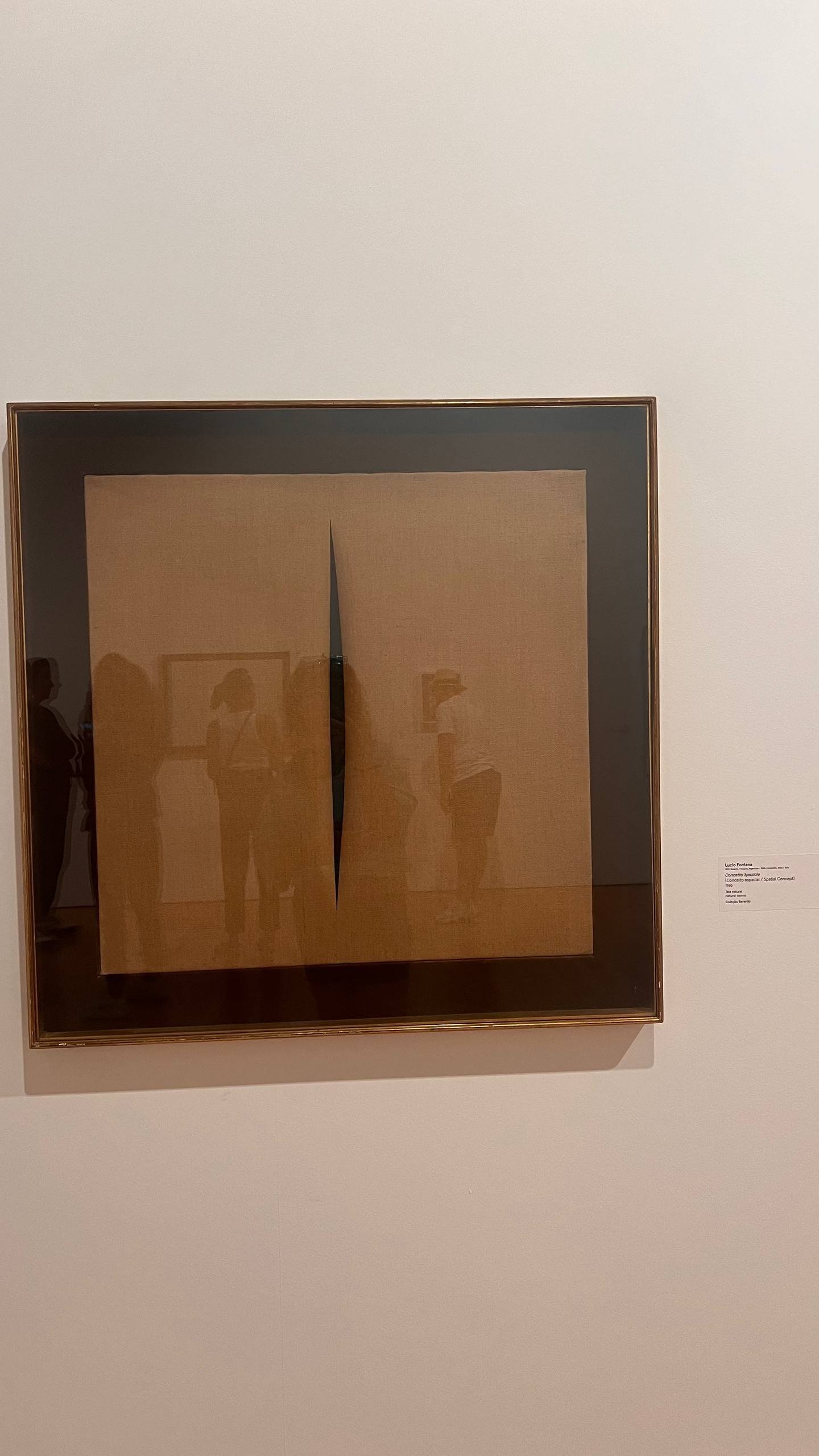
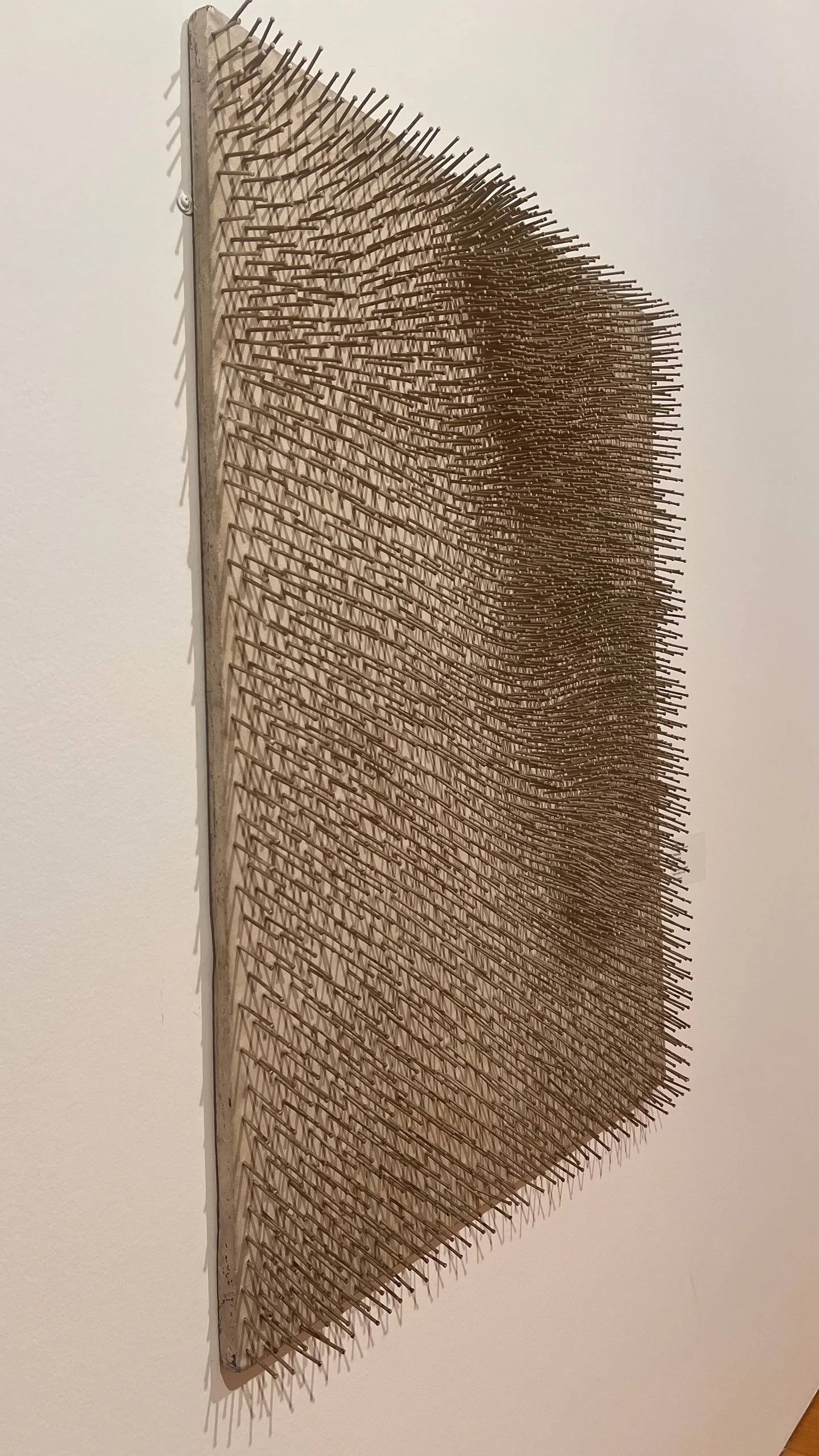
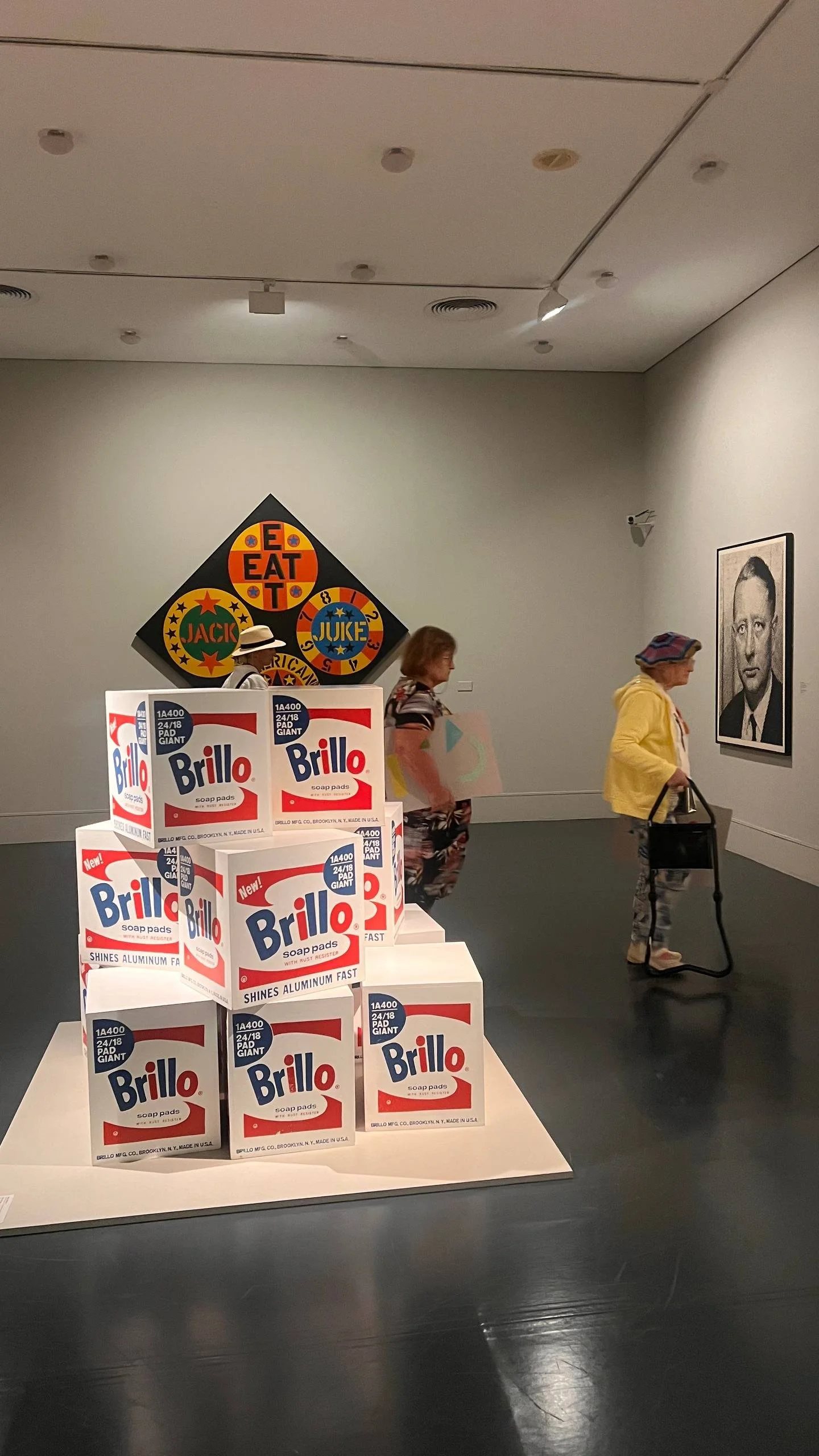
I do recommend MAC/CCB for a thorough visit of at least half a day. There is a café to replenish your strength for the “struggle” with cultural sustenance. Nearby, there is a promenade and a park if you feel like getting some fresh air.
Also, if you have a specific interest, it will be easy to navigate and find the exact section you need. It is deal for contemporary art lovers who want to take a couple of hours to explore the main art movements of the last 100 years. An excellent opportunity to combine a visit to Belém’s historical monuments with a high-quality cultural program.
MAC/CCB Visitor Guide
Located at 1449-003 Lisbon, Portugal. Positioned perfectly on the Lisbon waterfront, directly opposite the historic Jerónimos Monastery.
Tickets include full access to both the permanent Berardo Collection galleries and current temporary contemporary exhibitions. Discounts apply for students and seniors.
Open Tuesday through Sunday. Last admission is at 6:00 PM. The museum is closed on Mondays. The main CCB terraces and open-air squares are accessible daily.
Sources & Further Reading
Explore live collection databases, upcoming global artist retrospectives, and the architecture history of the Belém complex.
An in-depth professional overview charting the geometric patterns, choice of stone masonry, and master planning behind the construction of the CCB.