
How to Art Travel: a simple guide for Cultural Explorers
Art traveling isn’t just traveling in its habitual meaning. Art traveling a deep method to look at the city (country, village, street, neighbourhood you name it) as a whole visual system with its art, heritage, architecture, museums, details, climate, light, rhythm.
To make your art travel pleasant, you need a minimal set of tools to take with you, really. Let’s go through them.
Table of Contents
Art travel essentials: packing for comfort and style
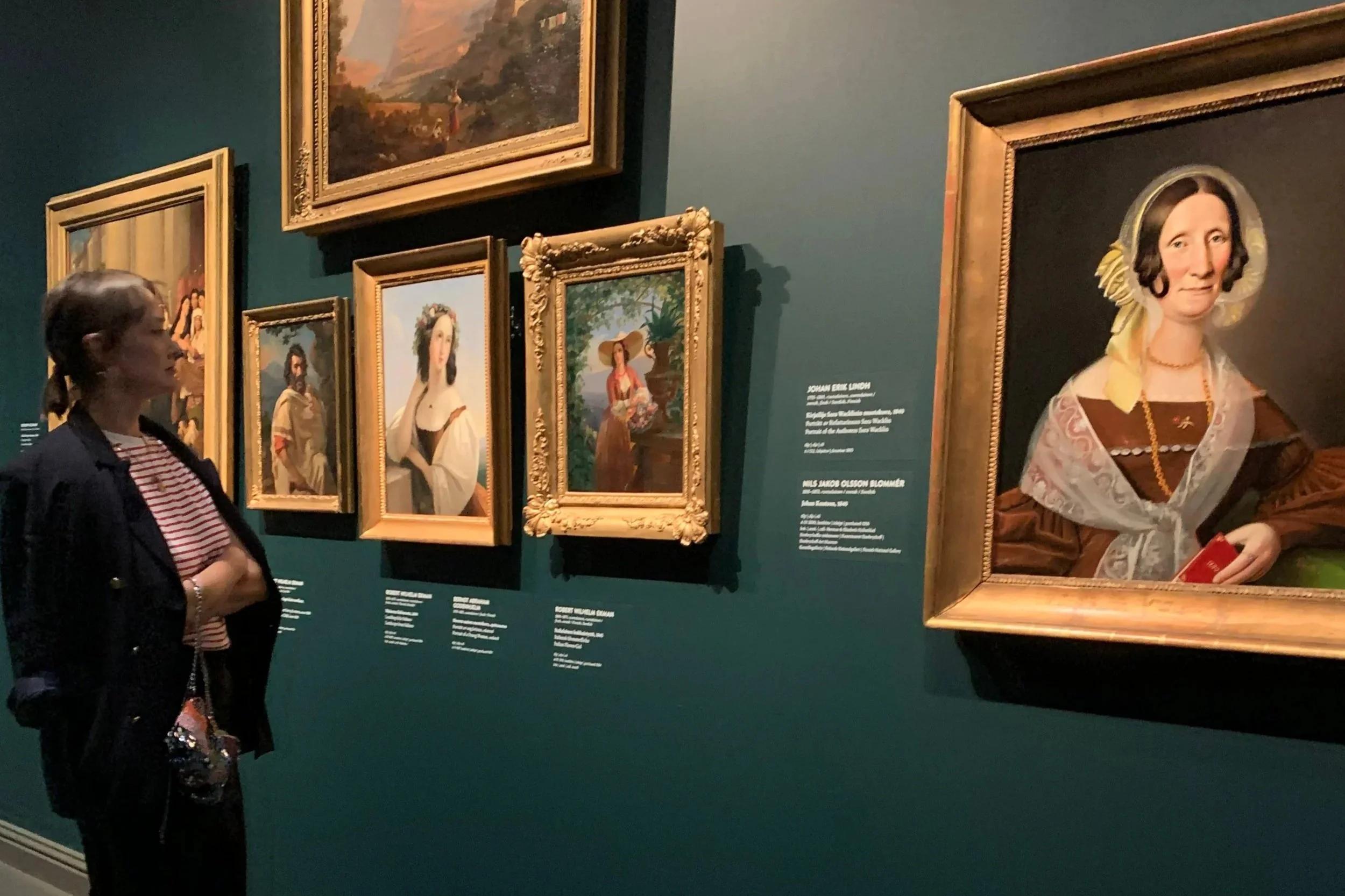
In your art travel your body is your main tool of observation. Make sure it is ready in all comfort possible. Clear away all the physical distractions.
Comfy shoes over trends
I just visited Rome recently and noticed hundreds of ladies in pretty unwearable dresses and high heels. When you see them — you know straight away they came to Rome after watching ‘Emily in Paris|Rome’ saga. They are inspired, they are here to continue their experience. They all dressed. No judging here, I also travel the cities from my favourite TV-shows and movies. BUT these ladies DO NOT WALK. They in Rome for photos.
We, art travellers WALK. Get your fav pair or two of your most comfy shoes. Comfy doesn’t mean ugly. Beautiful shoes can be comfortable too.
A minimalist backpack or a tote bag
Basically, you need something thats has enough capacity to carry around your stuff, obviously. Sad to say, but criminal environment in most of European cultural cities isn’t relaxed. Be cautious, be vigilant. Keep an eye on your belongings at all times, anywhere you go.
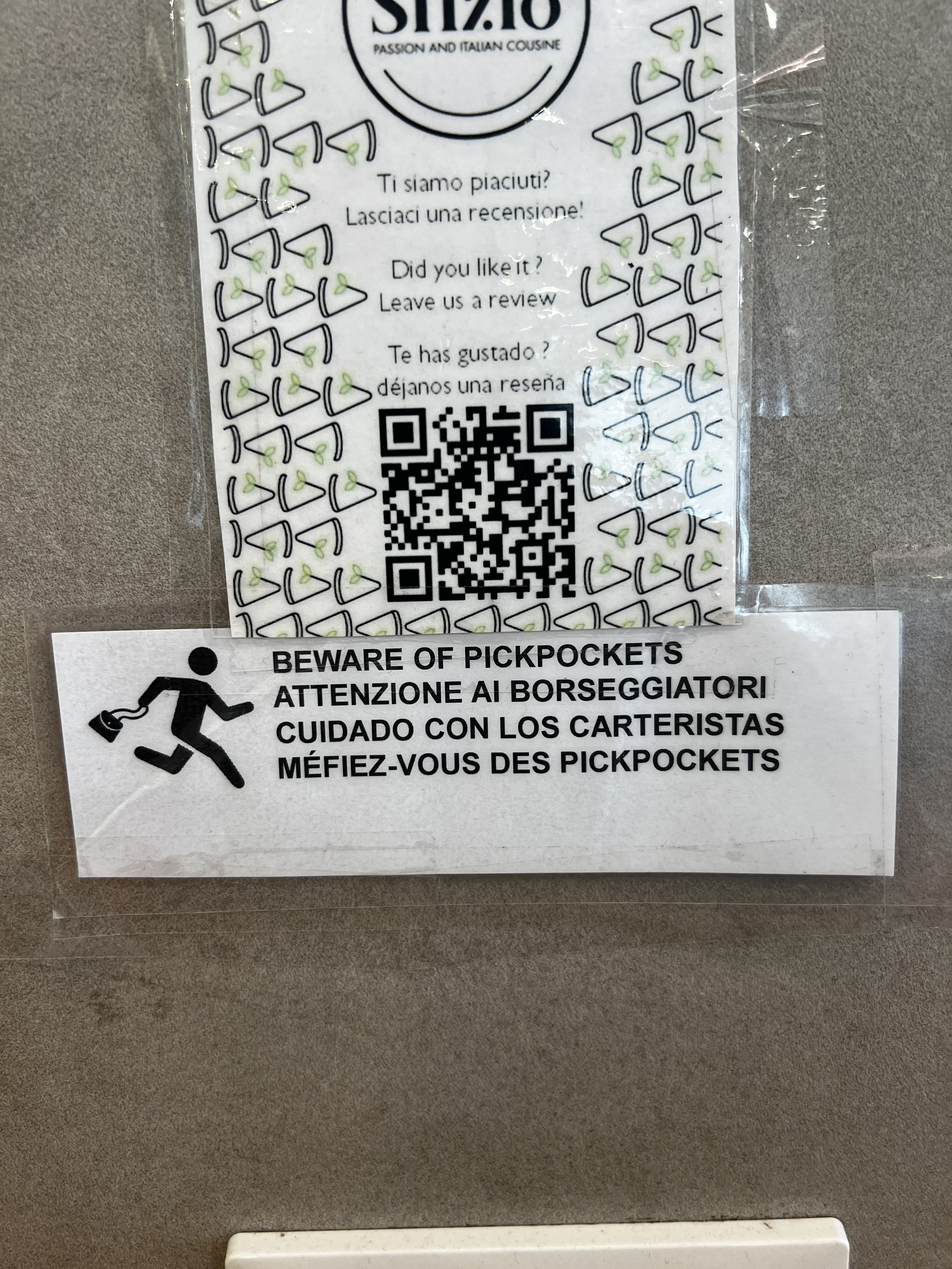
Stay alert durung your travels.
Tourist heavy cultural places are hotspots for pickpockets.
Also when you’re an art traveller, you somehow gather loads of books, magazines, leaflets, posters, and other ephemera. So that’s why bring —
A folder or an envelope
for your paper memorable things. It also can be museum tickets, reciepts and so on and so forth that you will later use in your Art Diary. How to start and keep your art diary, and why it matters read here.
Water and healthy snacks
Let’s not dwell on water — it’s obvious. Stay hydrated!
Snacks are a different story. It’s worth avoiding anything overly sweet and opting instead for something more stable — nuts, sugar-free or keto options, anything that won’t send your blood sugar on a rollercoaster.
That spike and the inevitable drop is hardly the feeling you want while travelling.
Choose simple, nutritious snacks that keep your energy steady.
How to build the perfect Art Itinerary: The 50/50 formula
Avoiding museum fatigue is real. To keep your mind sharp, use my itinerary framework.
Core principle of art traveling is to narrow the focus and to widen attention. Do not overpack your itineraries. The less is more, pardon for the cliche.
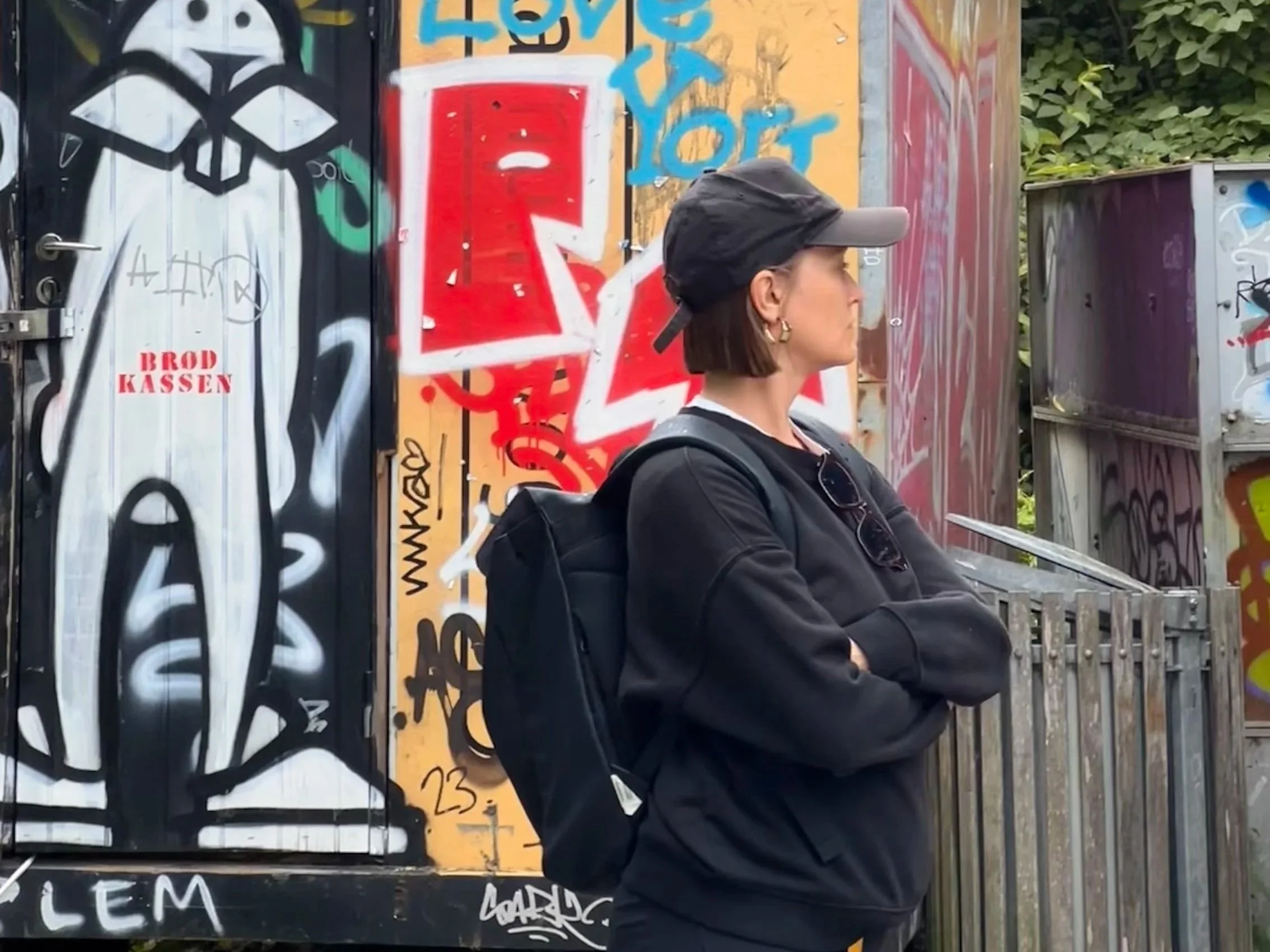
THE 50/50 FORMULAMy formula is 50/50, meaning if I visit 2 must-see places from classic guides + I go to 2 less mainstream or even underground places. Discover independent contemporary galleries, local art spots, or street art hubs.
Example. When in Paris, I’d go to Musee D’Orsay, the Centre Pompidou AND Museum of Romantic Life (Monmartre) and MEP – Maison Européenne de la Photographie.
Hidden art
The art, culture and heritage aren’t placed only within the walls of museums. Look everywhere — windows, tiles, details on the facades, city sculptures. Sometimes, art starts at the airports. many airports of the world place art in there, so start looking right when you land!
If you’re visiting Berlin, don’t just look at classic galleries; go out and see The 7 murals of the Berlin Wall to see how history and street art collide.
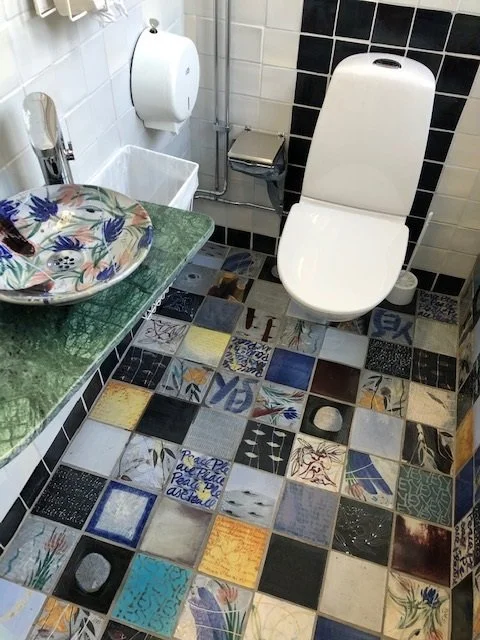
Hidden art can be literally everywhere. If you know how to look. A perfect example hides inside the restrooms of Hallands Konstmuseum in Halmstad, Sweden. Who actually pays attention to toilet tiles, right? Art travelers do.
These are not your standard, mass-produced industrial tiles. Artist Eva Bengtsson actually hand-rolled thousands of individual ceramic pieces to cover the walls and floors. Each one has its own unique texture, organic shape, and even hidden bits of text. It’s a great reminder to stay curious and keep your eyes open, because great design can turn a quick, boring restroom break into the most memorable part of your trip.
The art of observation: The tools
Your art diary
Your art diary or journal is your best companion in thoughtful art traveling. Take it, sit down and write a sentence or two. Continue at home.
Pens, pencils
Record your observations, impressions and turn it into structure. See how street composotions, visual details, facades, museum expositions, tiles, windows, mosaics, metro art etc. etc. — create the visual body of the place.
Photography is your thinking tool, not the goal
Now, photos. Instead of mechanically snapping everything you see, try to slow down and decide what is actually worth capturing. A photograph should not replace looking, and it should come after it, not instead of it.
In Louvre, there are hundreds people daily for Leonardo Da Vinci’s Mona Lisa (c1503-1519), but you barely can see the masterpiece. All you see is the screens. Snap, snap. People replace thoughtful enjoyment of eternal art with taking another billions photo of it.
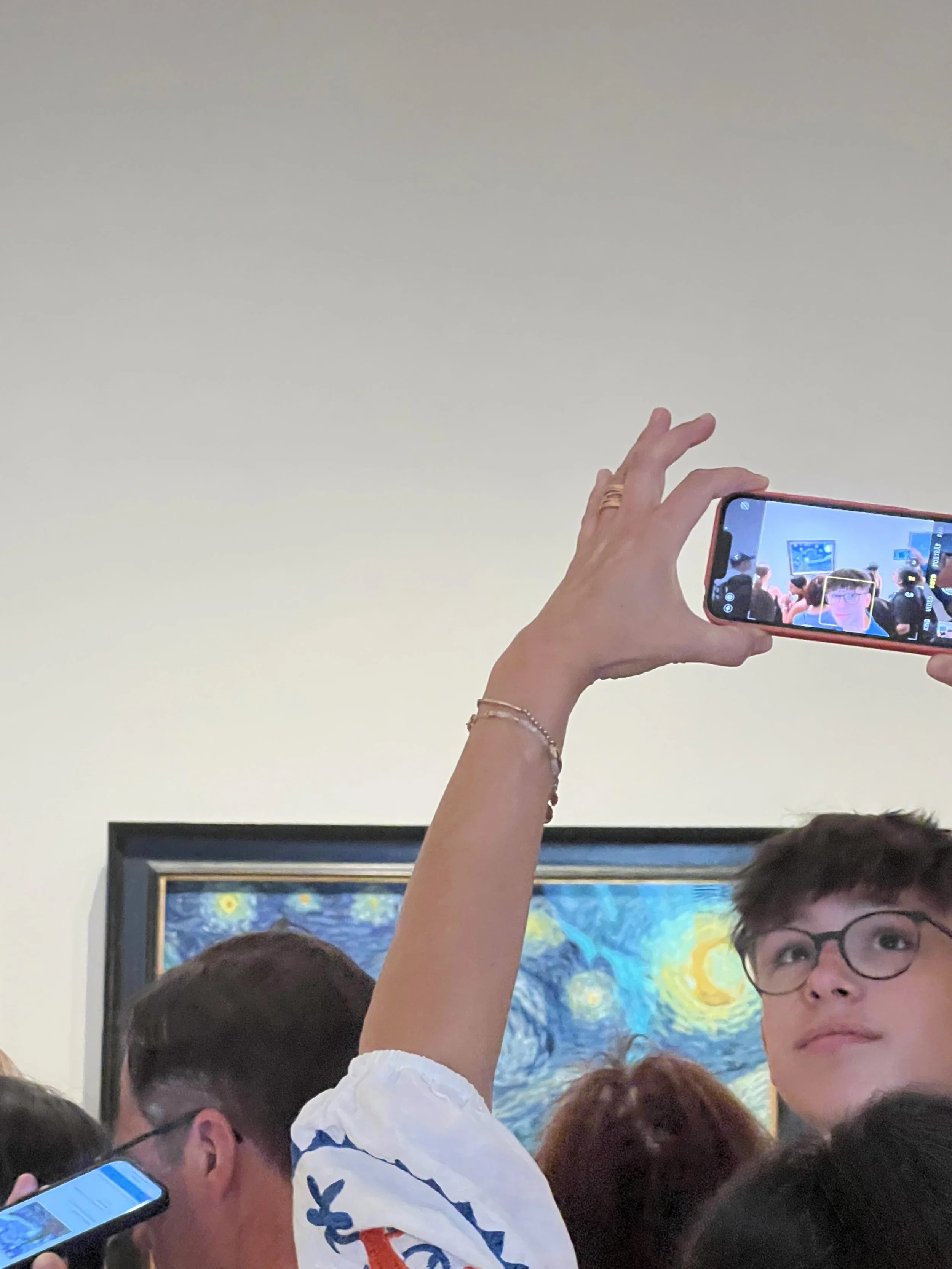
In MoMa, in New York City, there is a Van Gogh’s The Starry Night (1889) in Gallery 501 on the fifth floor. Same thing — you cannot see it. Don’t be one of those who came to the museum to take a photo of the best art on Earth for your Instagram stories. Be thoughtful, be respectful to other visitors. ENJOY THE ART through your own eyes, not through the camera of your smartphone.
Photography is your thinking tool. For instance, take pictures of artworks you would like to learn more about when you’re back home. Trust me, the world doesn’t need another photo of Mona Lisa.Specialized Apps for Museum mapping
Smartify (The Shazam for Art). Never stand guessing in front of an unlabeled fresco again. Open the app, point your smartphone camera at any painting, and it instantly scans the image to deliver rigorous historical commentary, audio guides, and artist biographies.
Artland. Perfect for the 50% contemporary half of your itinerary. It maps out current exhibitions, independent gallery openings, and avant-garde art spaces happening live in the city around you.
Google Arts & Culture. Before entering a massive complex like the Vatican or the Uffizi, use their high-resolution structural maps to locate exact masterpieces so you don't waste energy wandering through crowded corridors.
Observe, reflect, slow down
Step away from the crowds gathering around the blockbuster paintings and seek out the quieter rooms. Pick a single exhibition space to spend thirty minutes in, or sit comfortably on a bench to alter your physical perspective and view a canvas without fatigue. Write a few lines down in your Art Journal.
Put your phone away for the first fifteen minutes of looking to allow your eyes and mind to adjust to the physical scale, texture, and colors of the artwork. Observe. Don’t be a tourist, be a traveller. Enjoy.
Expand Your Cultural Journey
If you enjoyed this framework, continue exploring the global art archive. Browse through my curated Art Travel Guides to dive into my deep-focus articles and to learn the hidden secrets behind the world’s artsy places.
